Sleep is essential for mental and physical wellbeing. It allows your body and mind to recharge. It is important to try to keep a healthy sleep routine. Sleep is vital because it allows the brain to rest, repair, and file away memories. It also improves focus, mood, and emotional regulation, strengthens the immune system, and helps regulate hormones for weight control. Getting enough quality sleep reduces the risk of chronic conditions like heart disease, diabetes, and obesity. While a lack of sleep affects brain function, increases stress and negatively impacts overall health and longevity.
This leaflet can provide you with some advice to help you make some small changes to help with sleep
What is the role of sleep?
Sleep helps your body to reset not only mentally but also physically. Sleep affects your immune system, as it allows hormones and immune cells to reset within your gut.
Without good sleep, your nervous system, immune system and gut microbiome are not reset to a level that is needed during the day. Gut microbiome is based in the digestive system and affects your gut and wider body health. A healthy gut microbiome helps to keep your body well and functioning. If you do not get good sleep, you are more likely to have increased pain, lower mood, and brain fog. Symptoms of brain fog can include forgetfulness, slower thinking and confusion. Improved quality sleep also helps skin, hair, growth, strength and physical development and recovery. It also helps appetite and reduces cravings for sugary junk food.
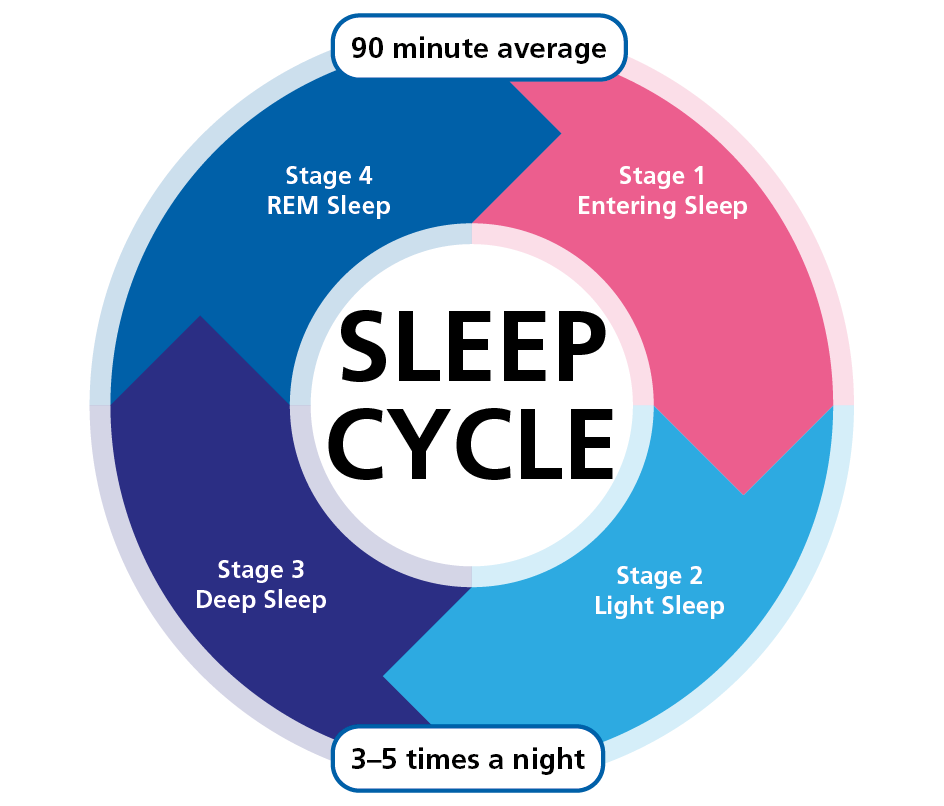
Heartbeat and breathing slow down
Muscles relax (with the occasional twitch)
Brainwaves begin to slow
Lasts 1-8 minutes
Muscles relax
Body temperature drops
Heartbeat and breathing slow even further
Brain produces quick bursts of activity called sleep spindles
Lasts 10-25 minutes
Hardest stage to wake from
Breathing and heart rate are at their lowest
Lasts 20-40 minutes
Brain activity spikes again
Eyes dart from side to side
Vivid dreaming
Arms and legs are paralysed (so we don’t act out said dreams)
Lasts 10-60 minutes
What type of sleep problems are there?
Inefficient sleep - Is also thought of as spending a long time in bed but only asleep for a small amount of time.
Not sleeping long enough - Sleep needs vary between people. The average need is between 6 and 10 hours. Any less than this can increase the symptoms mentioned. Any more than this can be too much. It should take between 5 and 20 minutes to fall asleep.
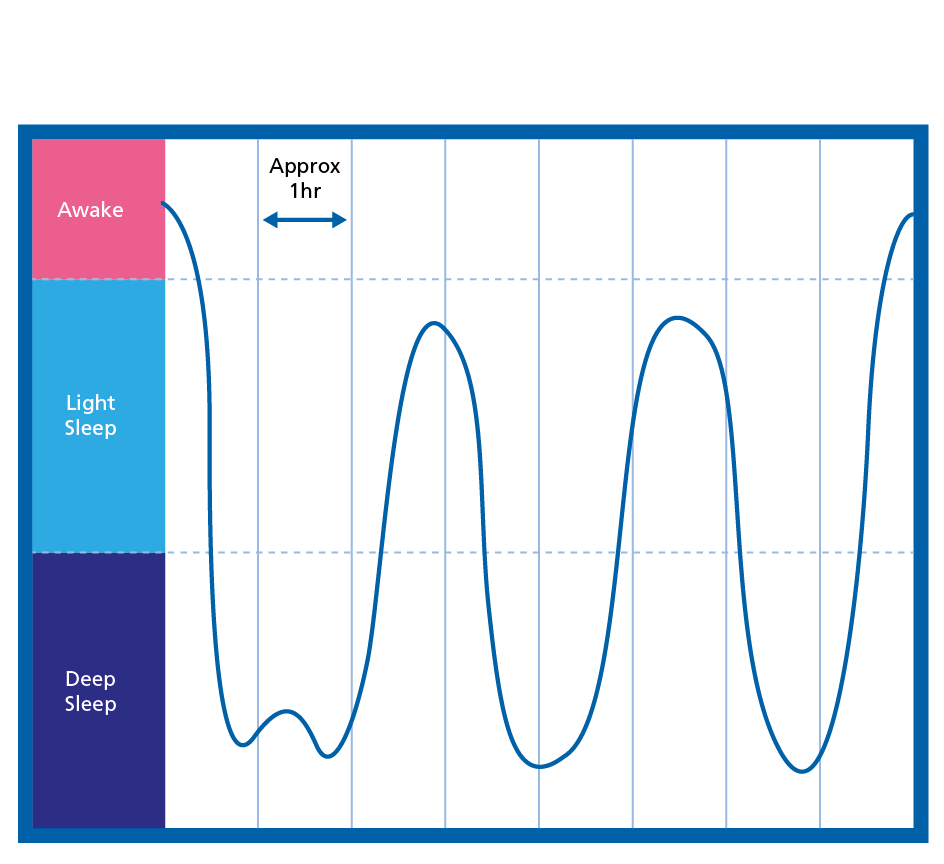
Poor depth of sleep - If you are struggling with pain or sleep difficulties this can mean you are not going into the deeper cycles of sleep. We spend typically the first half of our sleeping hours in deeper sleep. In the second half we tend to dream more as we are in lighter sleep stages. We need both stages to feel refreshed when waking.
Broken sleep - This is not enough to feel well rested, as involves waking regularly.
Do you recognise yourself in any of these common sleep problems? Take a moment to pause and reflect.
What is your body’s natural 24 hour cycle?
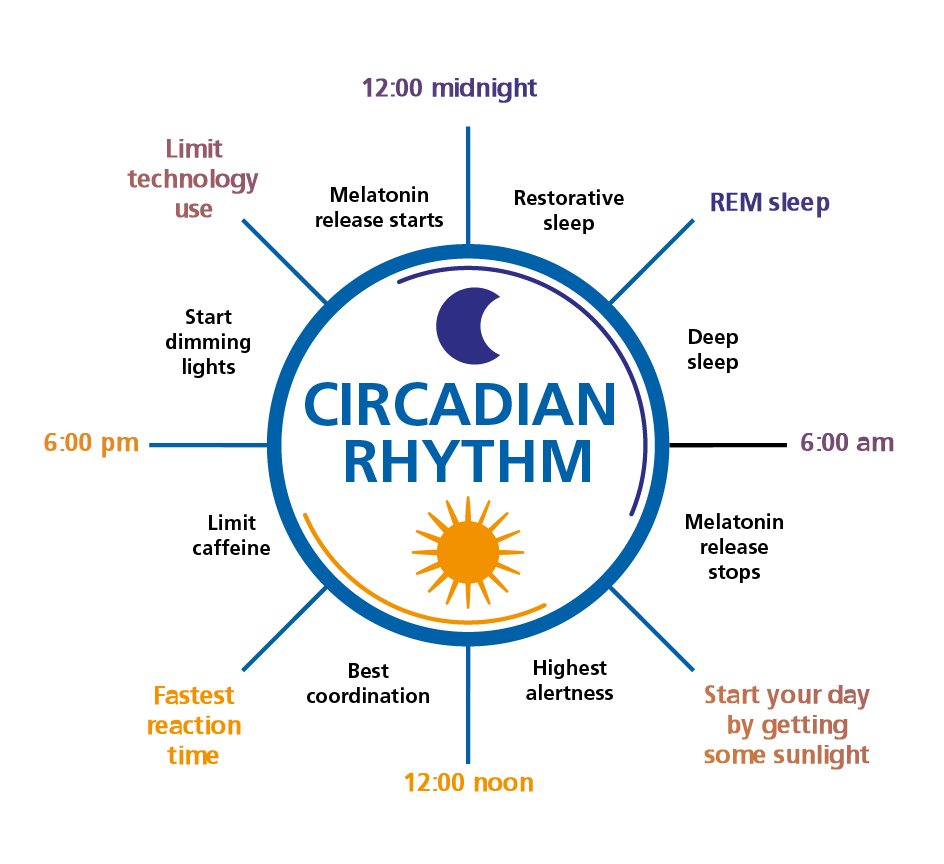
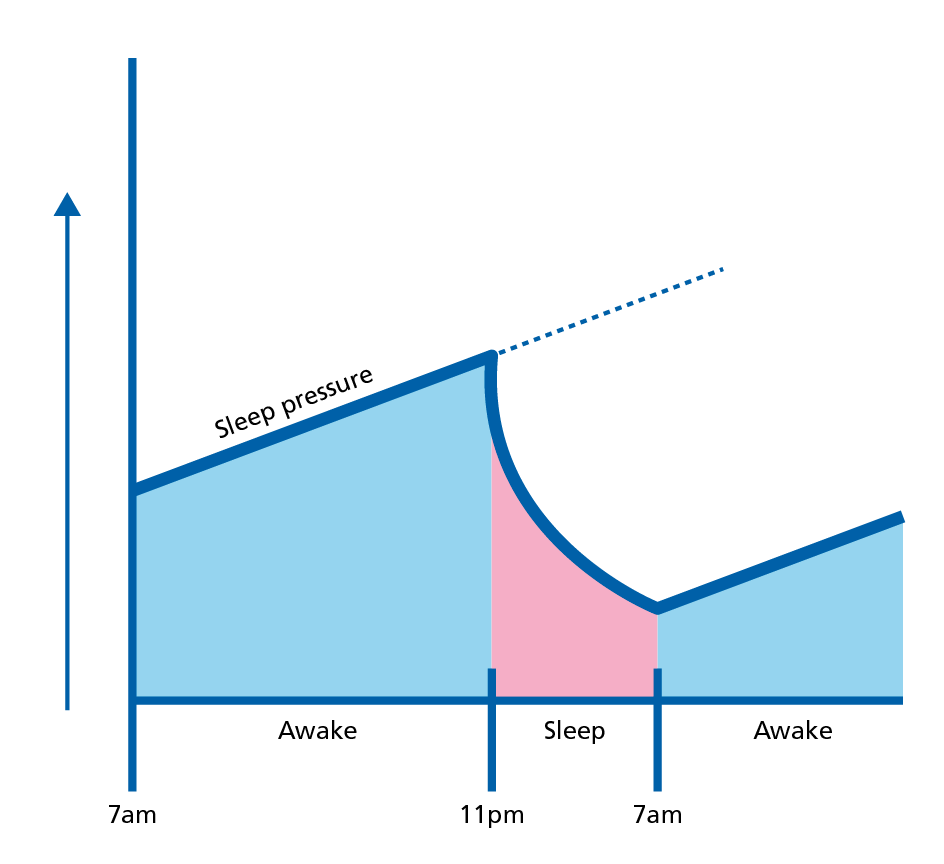
The circadian rhythm or internal ‘body clock’ tells us when to sleep and when to wake up in the morning regulating your sleep pattern.
The circadian rhythm is when your body has periods of increased sleep need and increased alertness. Increased sleep happens every 45 minutes daily. You can test this by when you next yawn or feel sleepy around 45 minutes later you will feel most awake. Make sure you go to bed at a time you are most sleepy.
Increasing daylight during the day, particularly first thing on a morning and having rest periods on an evening can help with your circadian rhythm.
What helps improve sleep quality?
There are lots of changes you can make to your routine to help improve your sleep quality and pattern. It is important that you are ready to make these changes.
Consider day and night
It is important to get enough sleep to make sure your body knows the difference between day and night. First thing on a morning we need to get enough light. Things you could try are having breakfast by the window, getting out into your garden or going for a walk after lunch or during your lunch break at work.
Consider exercise and activities
Exercise, activity and generally doing things are very important for our bodies. They help to regulate bodily systems, and simply put if we do more, we need more sleep. So, using up enough energy on physical and mental activities in the daytime increases your need for sleep. Completing cardio exercise uses up your stress hormones and reduces them for bedtime. Don’t forget exercise doesn’t have to be things you don’t have interest in doing. Movement can be found around the home and with others can work too. Think about using music and dance to help increase mood with movements.
Consider naps
Napping is not helpful as it reduces your need for sleep. Think of a nap like withdrawing from a sleep bank, it will cost your night-time sleep.
If you need to nap for a one-off reason, then make sure it is before 3.00pm and is less than 30 minutes otherwise it might affect your nighttime sleep.
Movement or completing something enjoyable can help reduce afternoon tiredness.
Relaxation
Feeling stressed or frustrated that you are not asleep during the night, puts your system into daytime mode. This reduces your sleep hormones and affects you getting to sleep. Try breathing exercises to help relax your body into sleep mode. If you lay awake your brain starts to link awake with bed, rather than sleep. Getting up and starting your bedtime routine again can be helpful. Learning to relax can be difficult especially with pain and worries. Practicing this regularly means it becomes a skill.
Pause and have a think about actions, noises and smells that you find relaxing. Use your senses to help guide you. Examples include, relaxing music or sounds, relaxing sprays, favourite textured pyjamas.
Consider your environment
Is your bedroom somewhere you consider safe and a sanctuary? Is it clutter free? How is it decorated? Complex patterns or bright colours can be difficult to allow you to switch off.
Consider the temperature, your pyjamas, bedding and mattress. Does everything feel comfortable for you?
Notice the noise level in your room. Do you enjoy relaxing music? Can you use it to relax, as part of your routine? Are there any distant background noises in the street? Your brain can tune out repetitive noises but will tune into noises that constantly change. A good example is to listen to pink or white noise, which can be found on YouTube or music apps.
Consider your routine
Having a regular wake up time helps your body to sleep at the right times. When you are awake, avoid spending any longer than 30 minutes in bed. Having a regular wake up time can be hard but try to have a routine even on the weekends and days off. Make small changes to help with this.
Consider your wind down time before bedtime. Avoid heated discussions and high levels of problem solving.
Avoid using technology to reduce blue light. Some devices have settings to reduce blue light after certain times.
Avoid eating and drinking too close to bedtime but make sure you are not thirsty or hungry.
Practicing quiet routines leading up to bedtime and reducing the lighting can be helpful.
Reduce smoking in the evening as nicotine is stimulating.
Try to cut down on sugar, it can raise energy levels before dipping too low afterwards.
Sleep may have been difficult for a while and it can take your body and brain time to adapt to changes. Make a plan to help your sleep in the next week.
If you need this information in another format or language and are in the hospital, please ask a member of staff. If you are accessing this leaflet online or on your phone you can see our Google Translate automated guidance on the Digital Patient Information Hub home screen.
People with hearing and speech difficulties
You can contact us using the Relay UK app. Textphone users will need to dial 18001 ahead of the number to be contacted.
Smoking
Bradford Teaching Hospitals NHS Foundation Trust is a smoke-free organisation. You are not permitted to smoke or in use e-cigarettes in any of the hospital buildings or grounds.
Published by Physiotherapy, Rheumatology, Bradford Royal Infirmary, Duckworth Lane, Bradford BD9 6RJ.