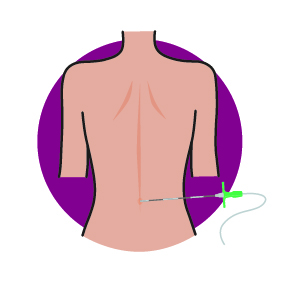
These can provide excellent pain relief and the risk of any problems afterwards is very low. However, you should be aware that extremely rare but serious complications, such as a collection of pus or a blood clot around the spinal cord, can happen after you are discharged from hospital. These rare complications need urgent treatment to prevent permanent injury.
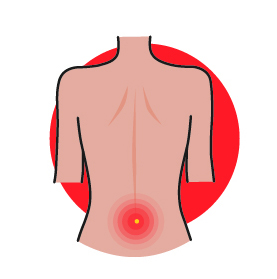
Redness, pus, tenderness or moderate/severe pain at the epidural/spinal site.

High temperature (above 38ºC), neck stiffness.
New severe back pain.
New weakness, increasing numbness or new loss of sensation in your legs.

New loss of bladder or bowel control.

Continuous headache, worse on standing, not relieved by simple pain relief.
If you have any of these symptoms in the next few days or weeks, go to the Emergency Department immediately and refer to this information. If you have been discharged from Maternity, please contact the Maternity Assessment Centre (MAC) on 01274 364532 which can be accessed 24 hours a day, 7 days a week.
You can contact us using the Relay UK app. Textphone users will need to dial 18001 ahead of the number to be contacted.
Bradford Teaching Hospitals NHS Foundation Trust is a smoke-free organisation. You are not permitted to smoke or in use e-cigarettes in any of the hospital buildings or grounds.