
Pressure sores: easy read guide
Information for patients, carers and relatives
Easy read
This is an easy read version of a leaflet called ‘Pressure Ulcers’.
This information uses easy words and pictures.
You might want to ask someone to help you read it.
What is a pressure sore?
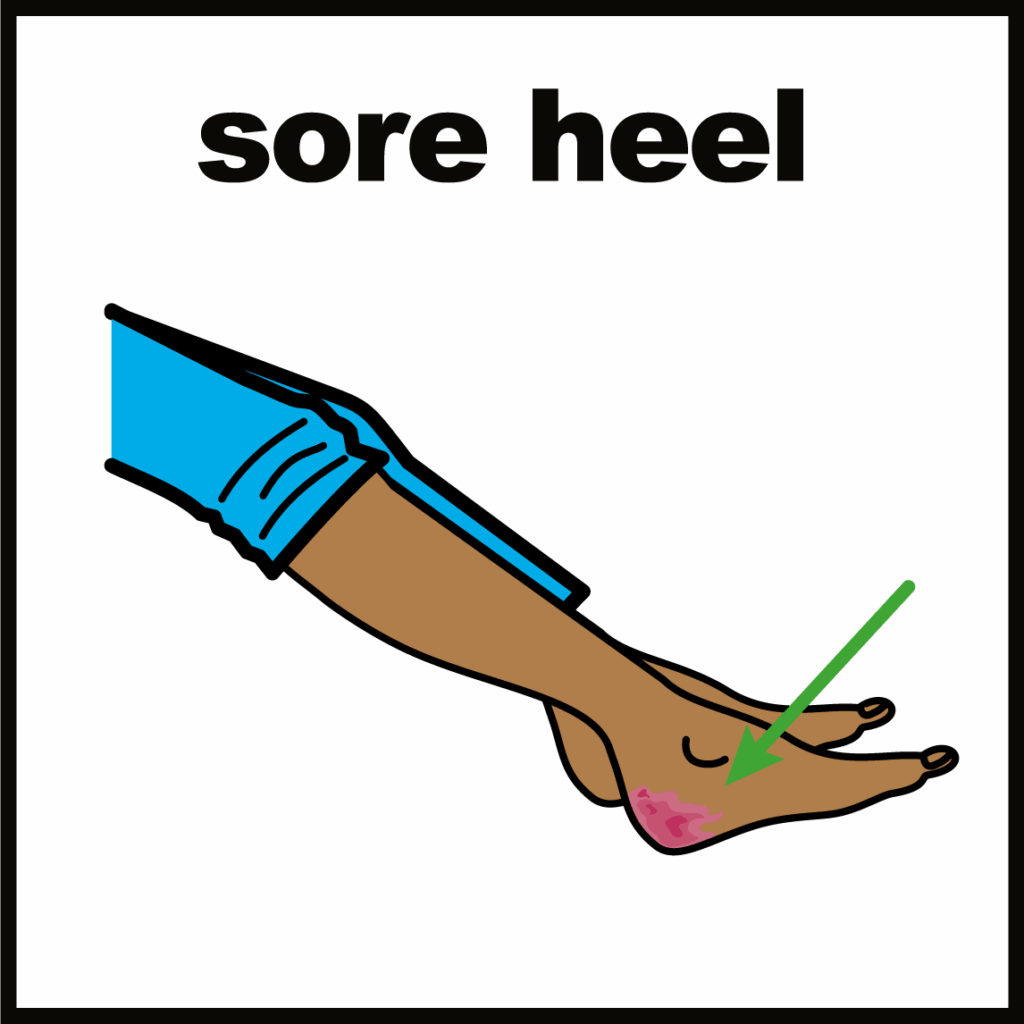
It is when your skin gets red, sore or breaks down into a wound
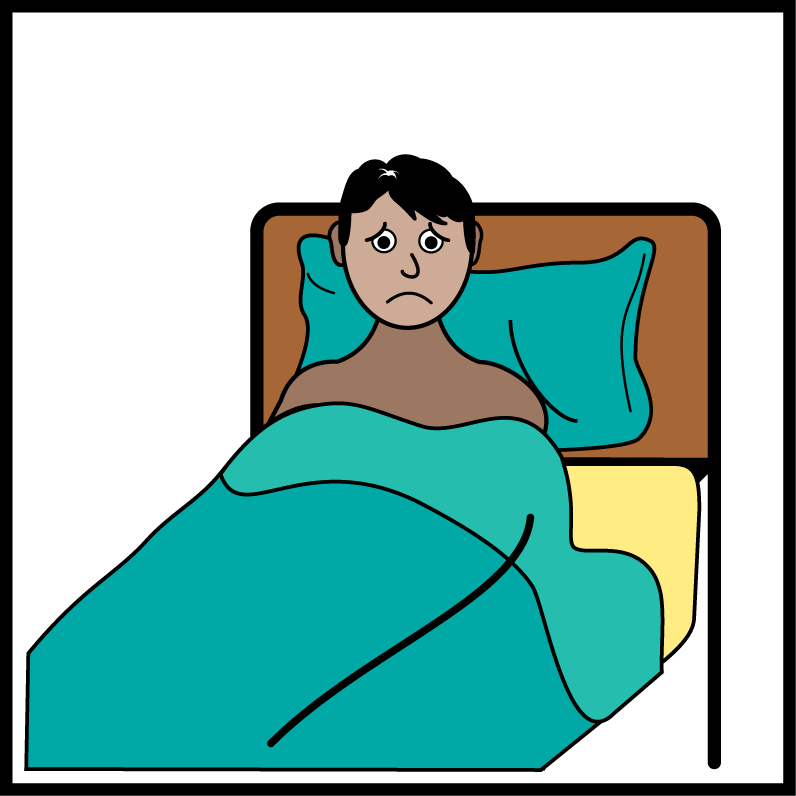
Pressure sores are caused by sitting or lying still for too long.
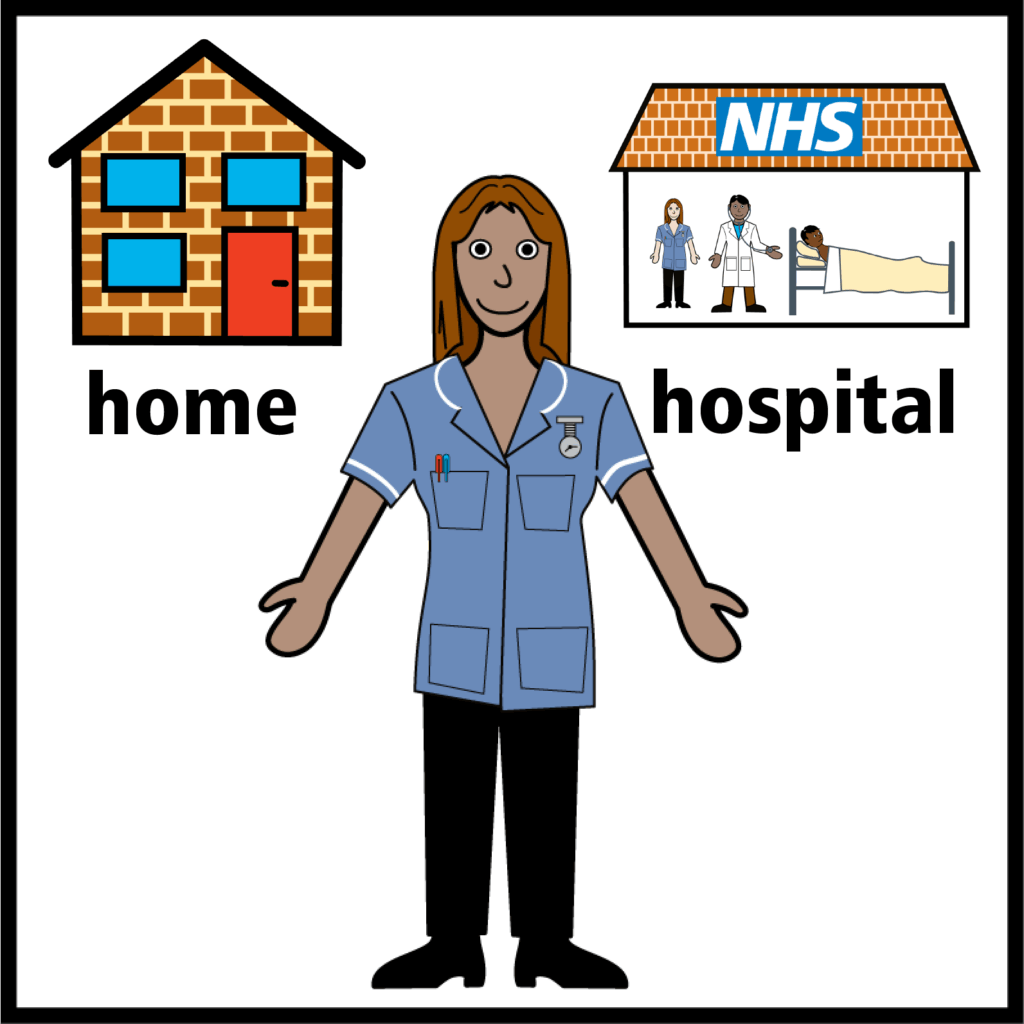
Pressure sores need looking after carefully at home or in hospital.
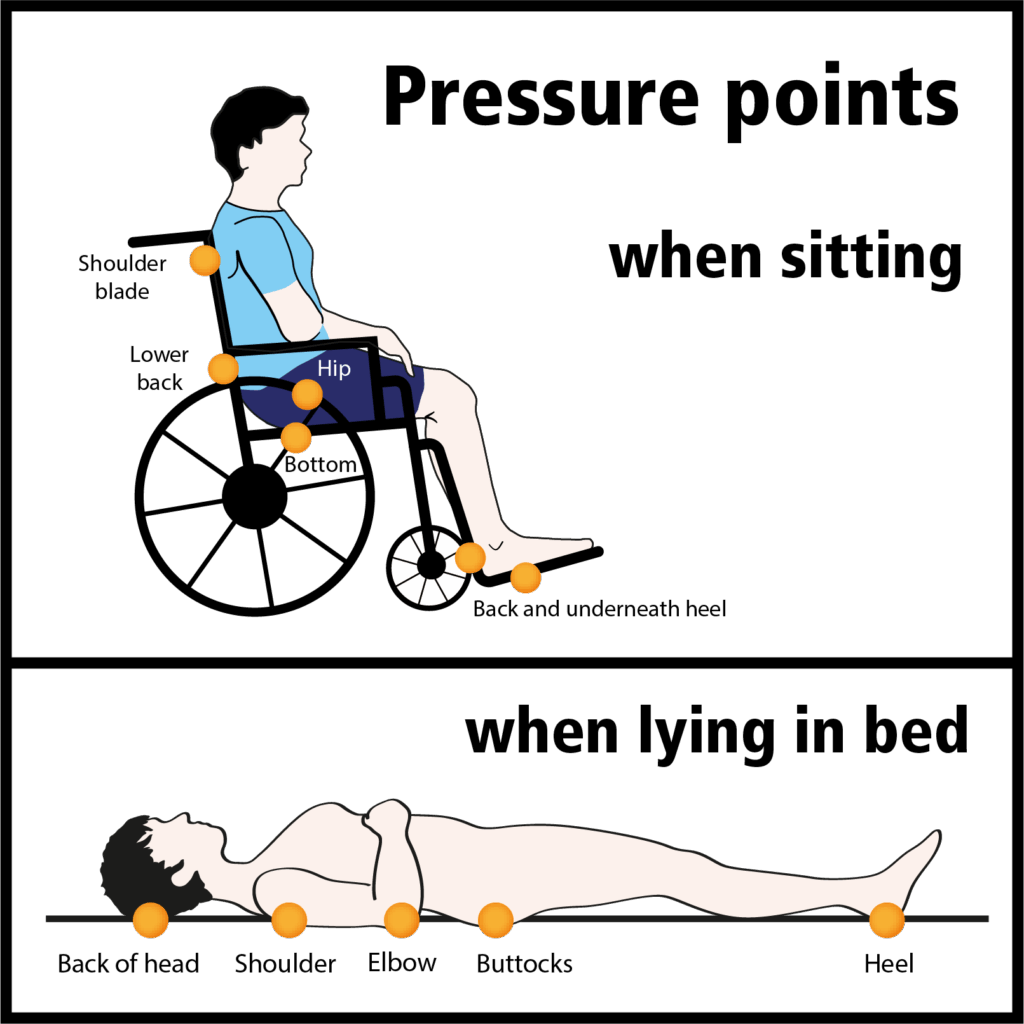
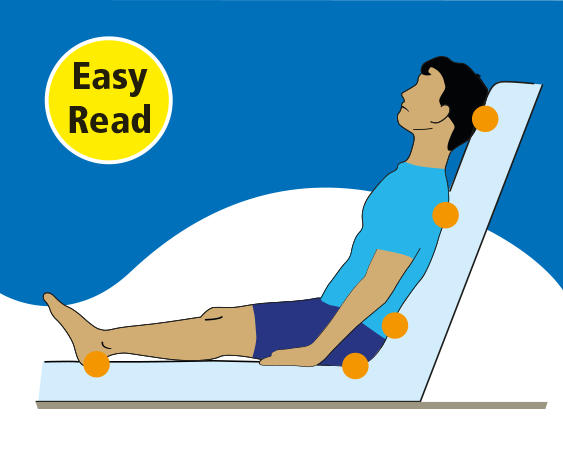
Pressure sores can happen on your bony places like your elbows, knees, heels, bottom and back.
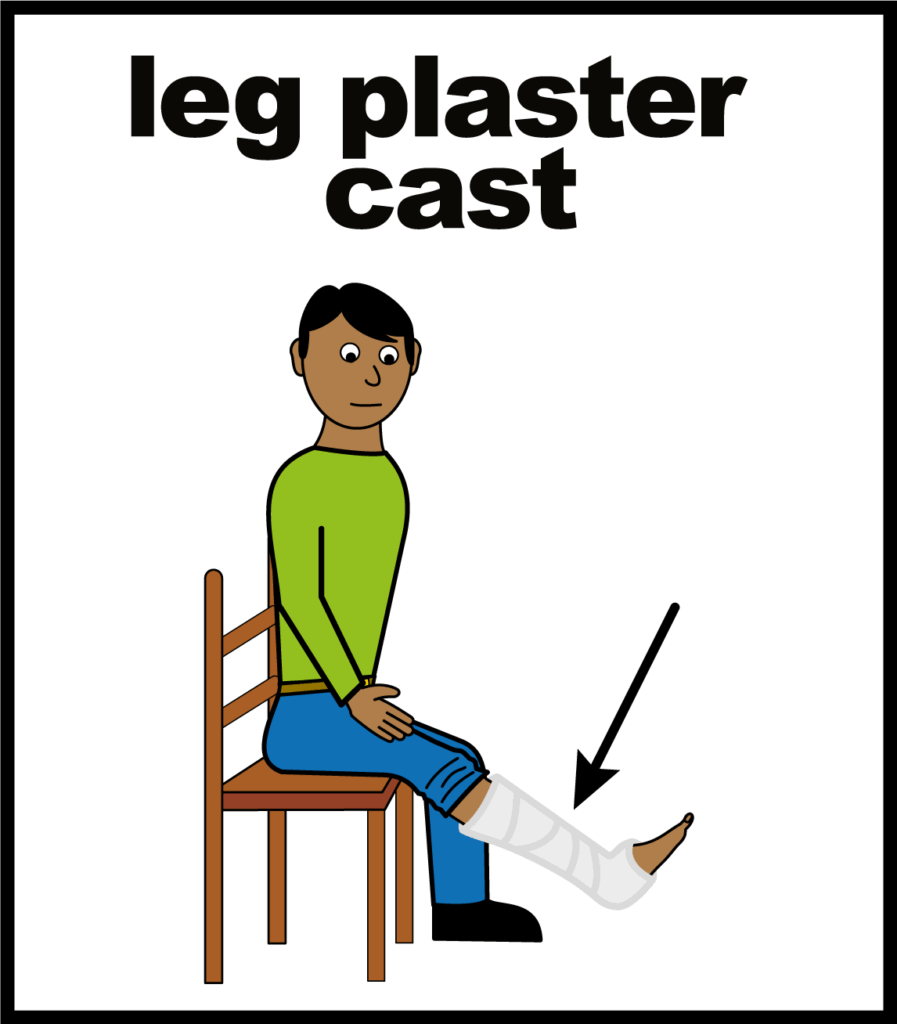
They can even happen under things like plaster casts or oxygen masks.
Who can get pressure sores?
Anybody can have pressure sores.
People who can’t move very much can get pressure sores.

People who don’t eat and drink well can get pressure sores.
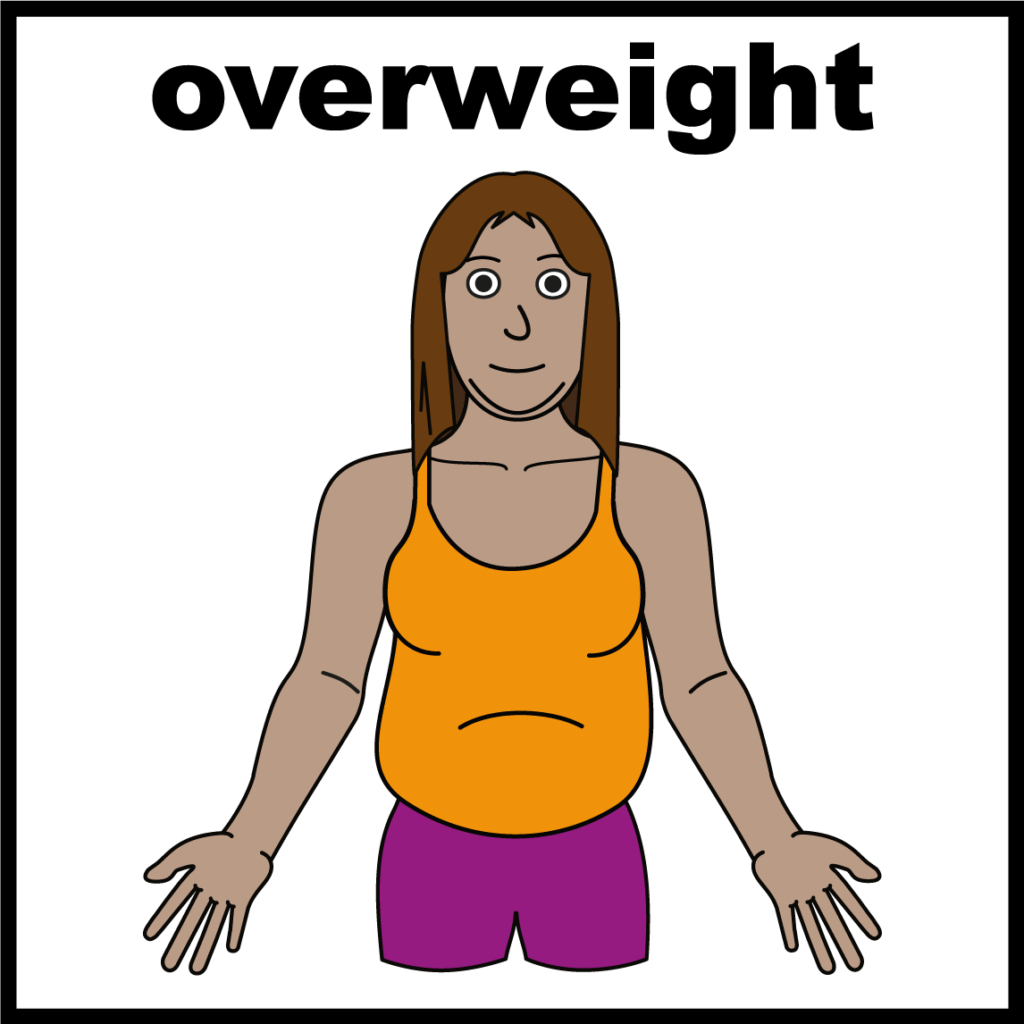
People are more at risk if they are overweight or underweight.
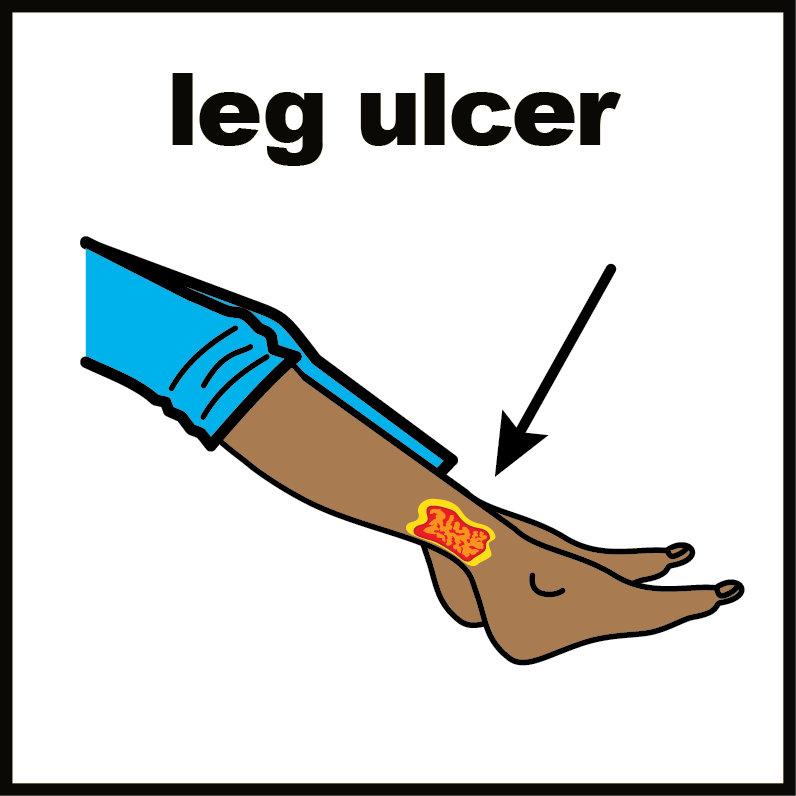
People are more at risk is they already have a pressure sore.
People are more at risk if they have a change in how their skin feels.
Or how they move.
What to look for
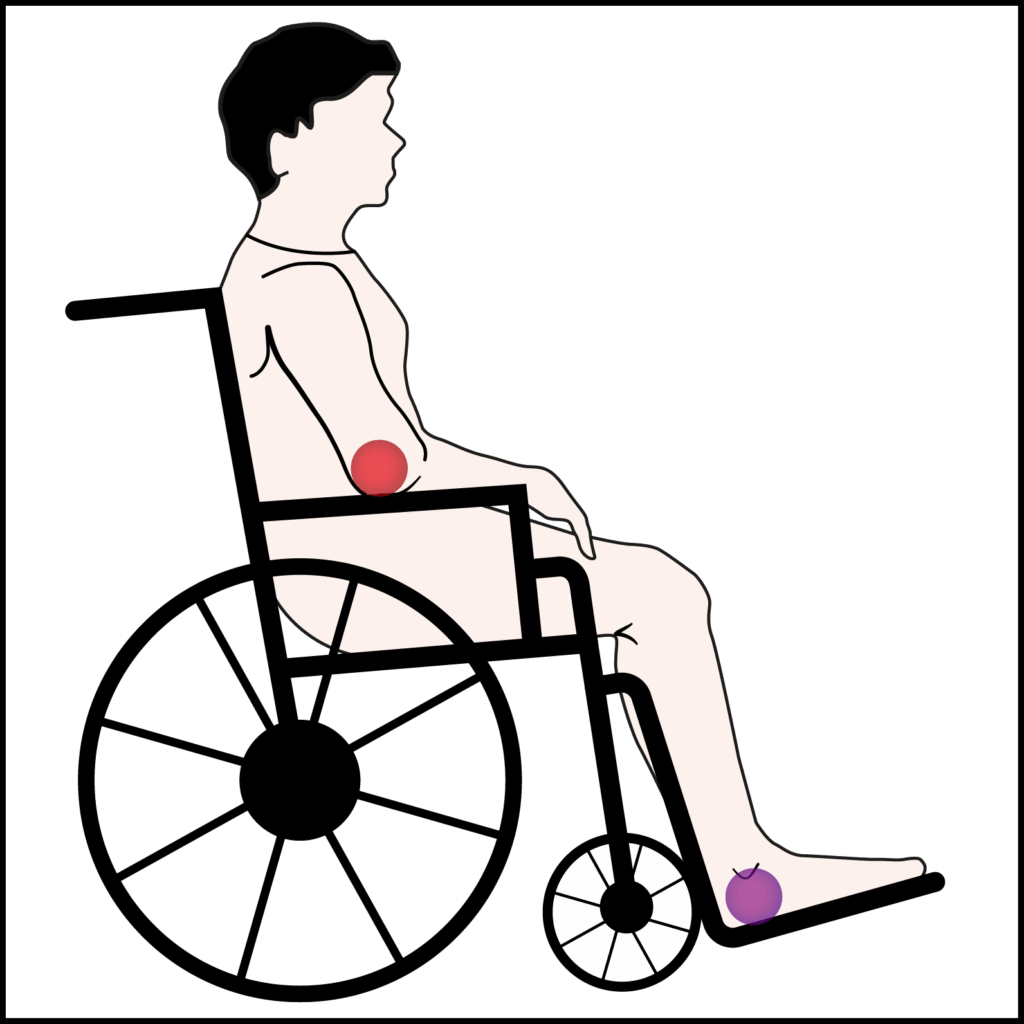
Red or purple patches on the skin
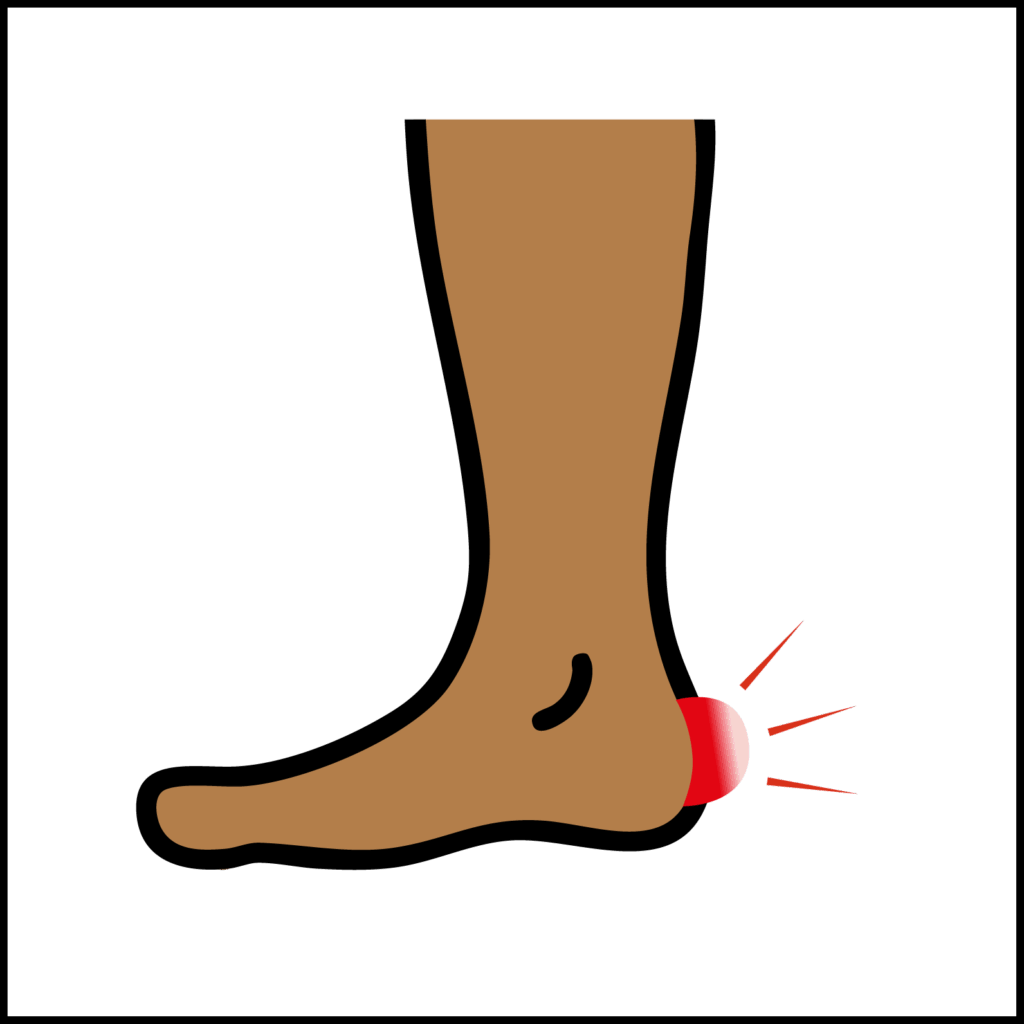
Blisters on the skin
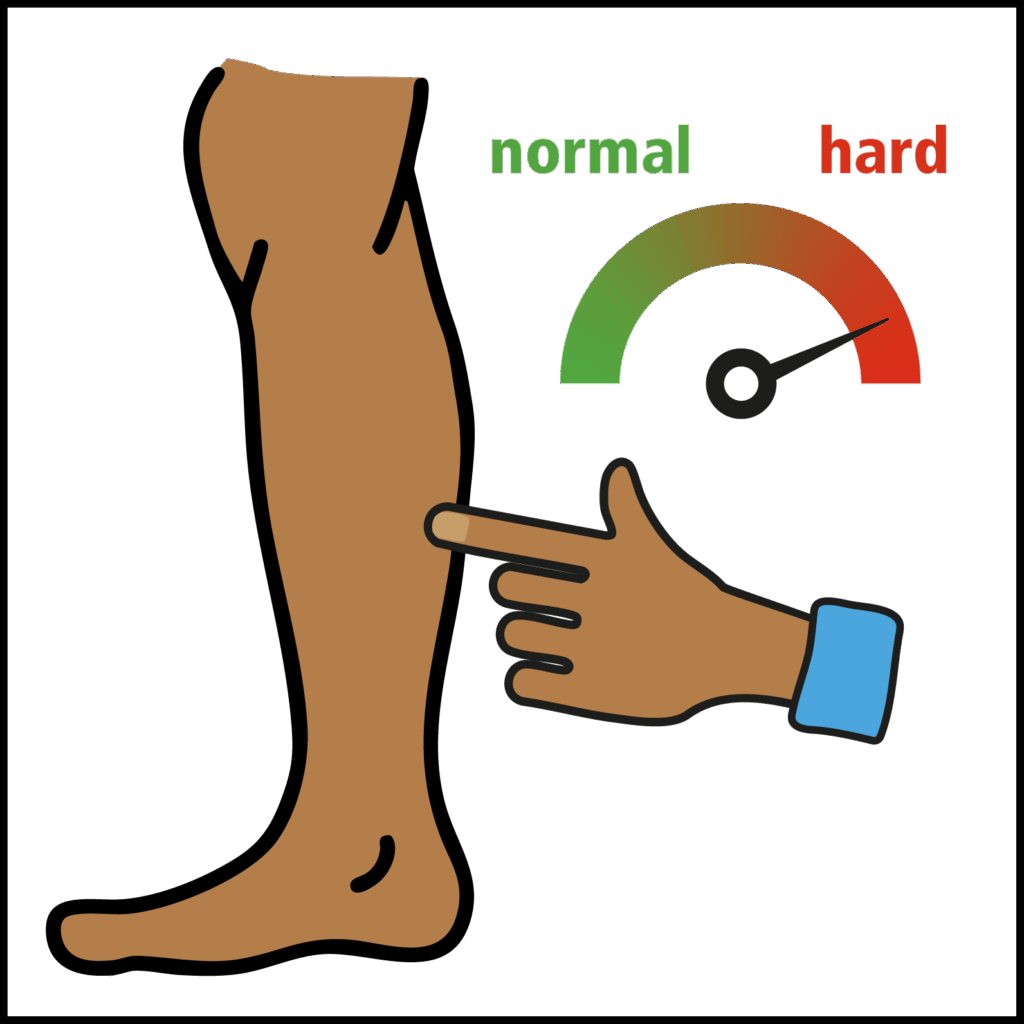
Hard areas of skin
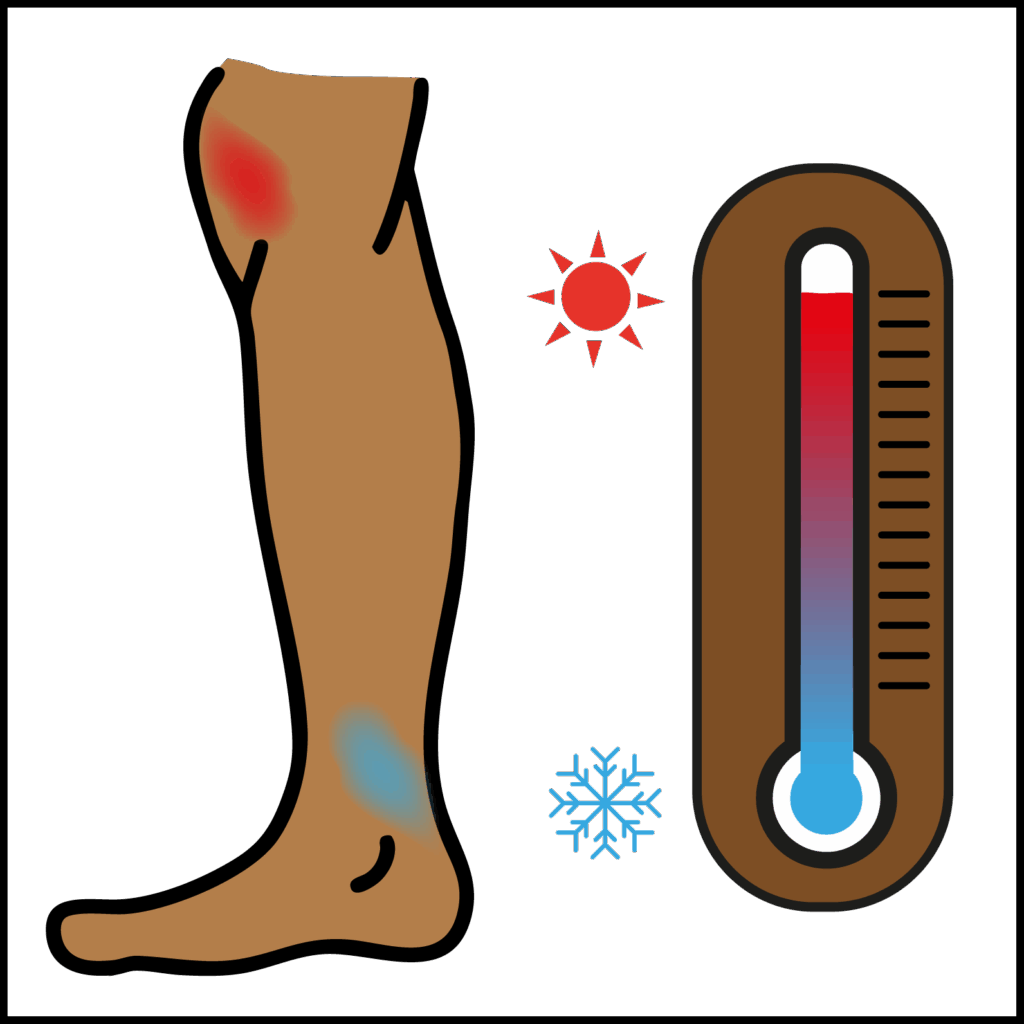
Patches of hot or cold skin
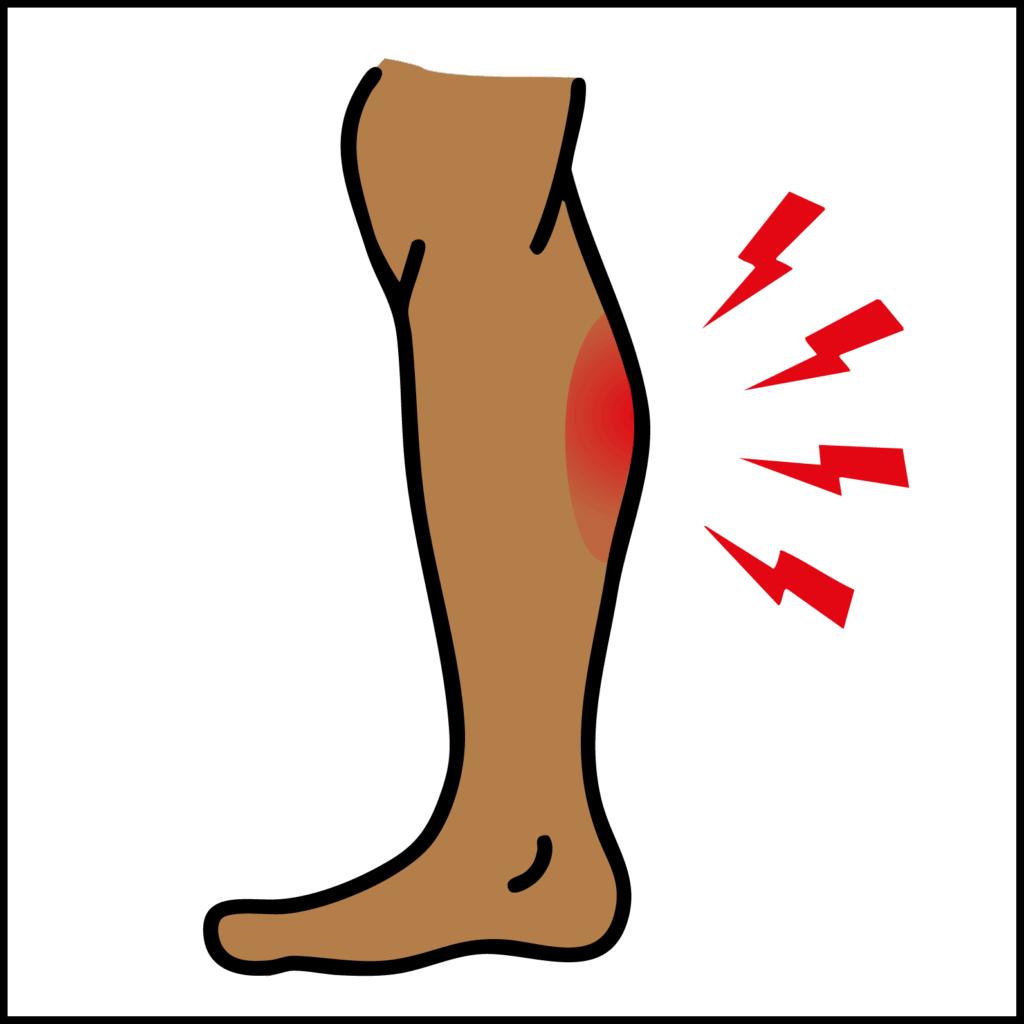
Swollen and painful areas of skin
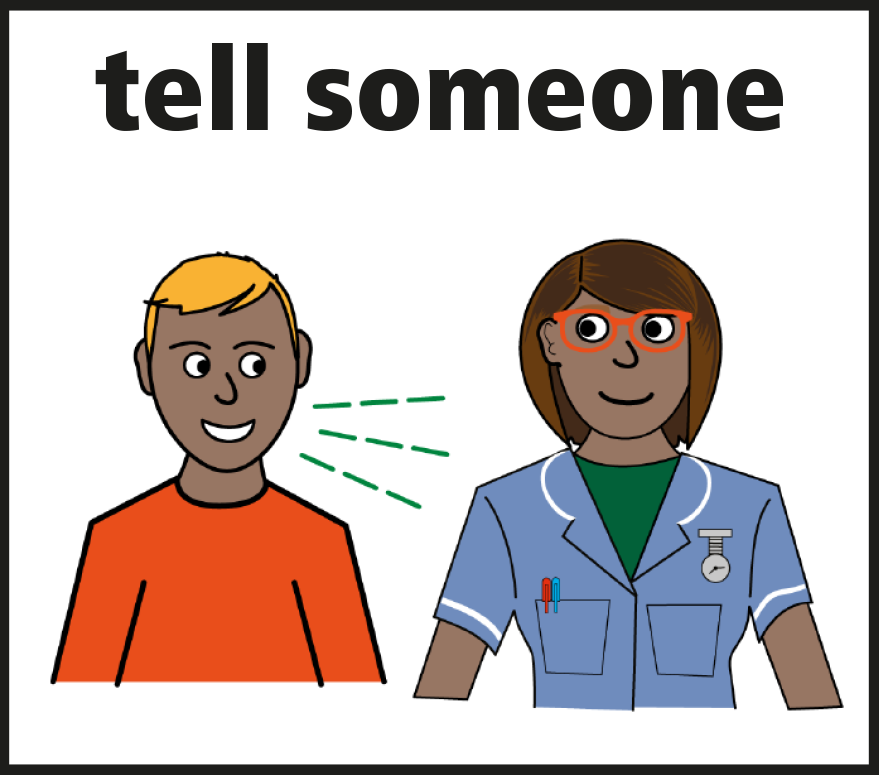
Tell staff or see a doctor if you think you have a pressure sore
What can help to stop pressure sores and what can help if you have pressure sores?
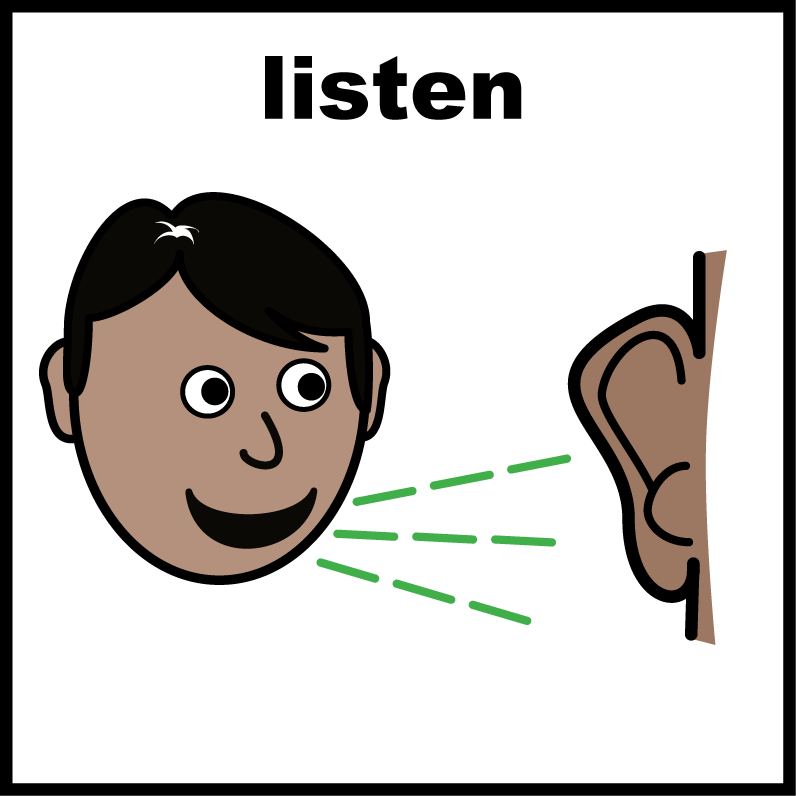
Listen to your doctor or nurse
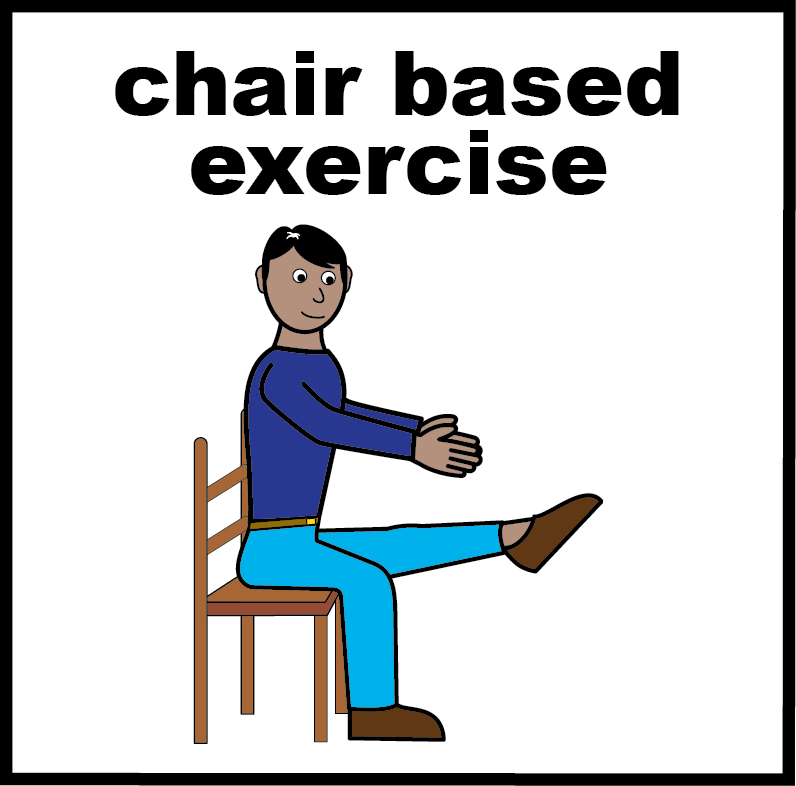
Walk about or move your legs and body every 2 hours if you can
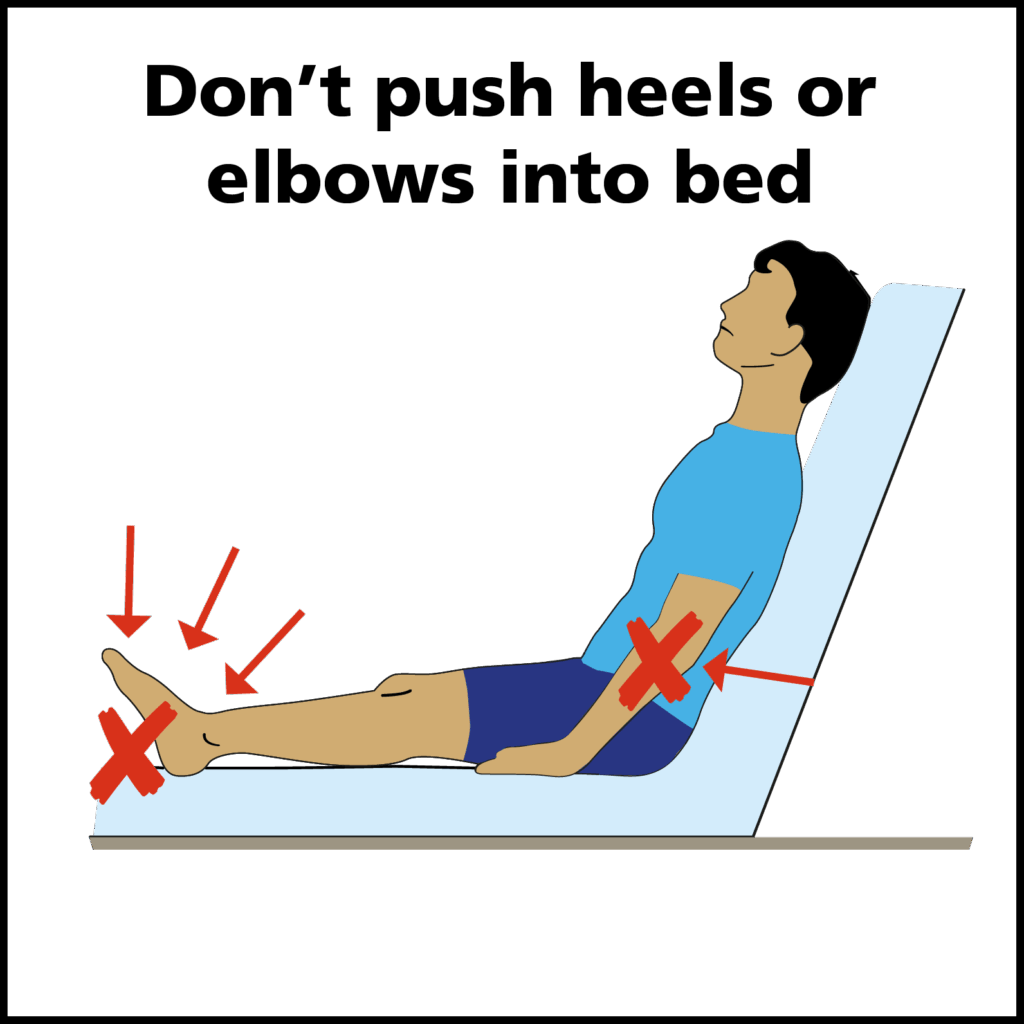
Do not rub your heels and elbows or dig them into the bed.
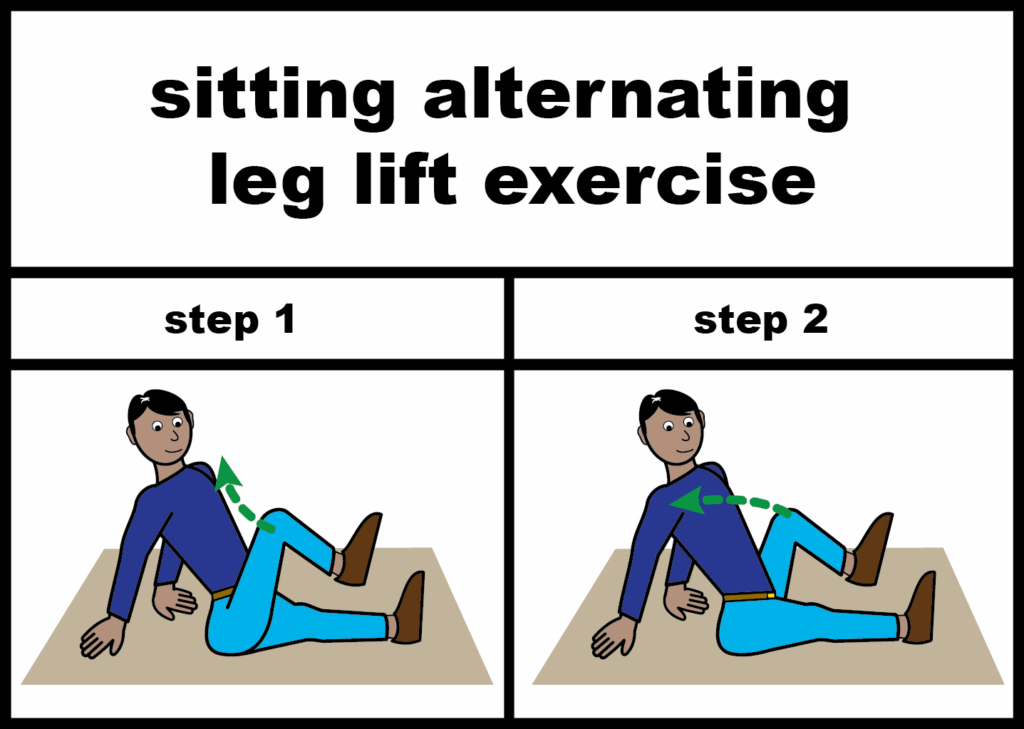
Moving from side to side and stretching your arms and legs can help if you need to stay in bed.
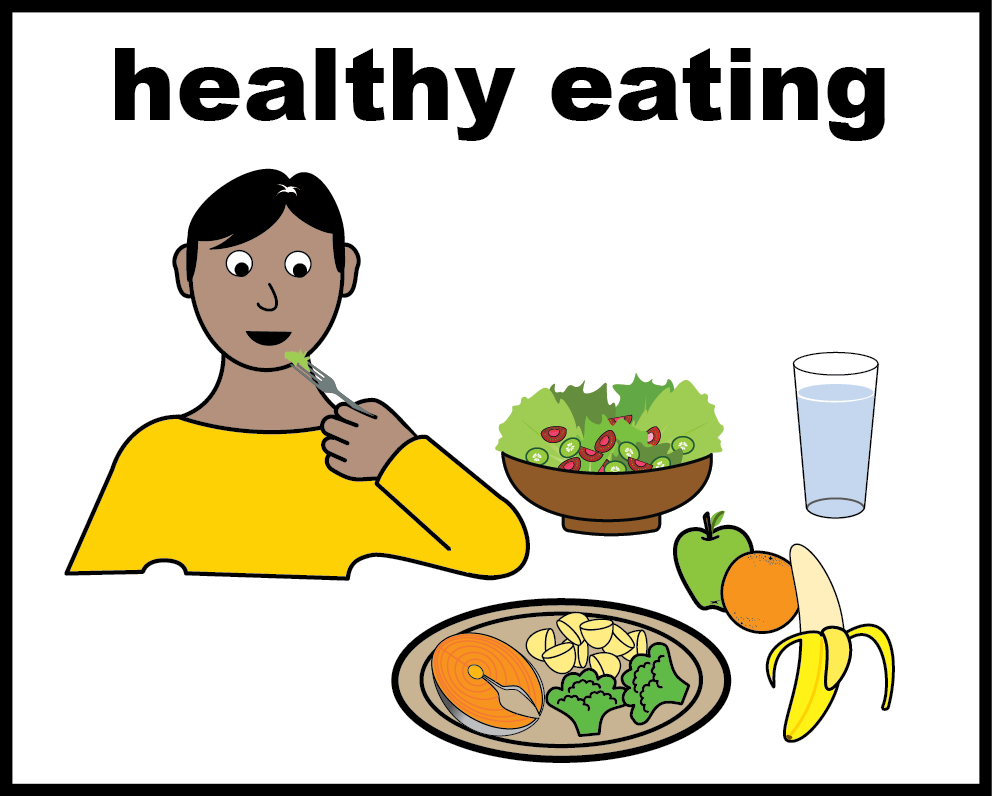
Eat healthy food and drink plenty of fluids. Water is good for you.
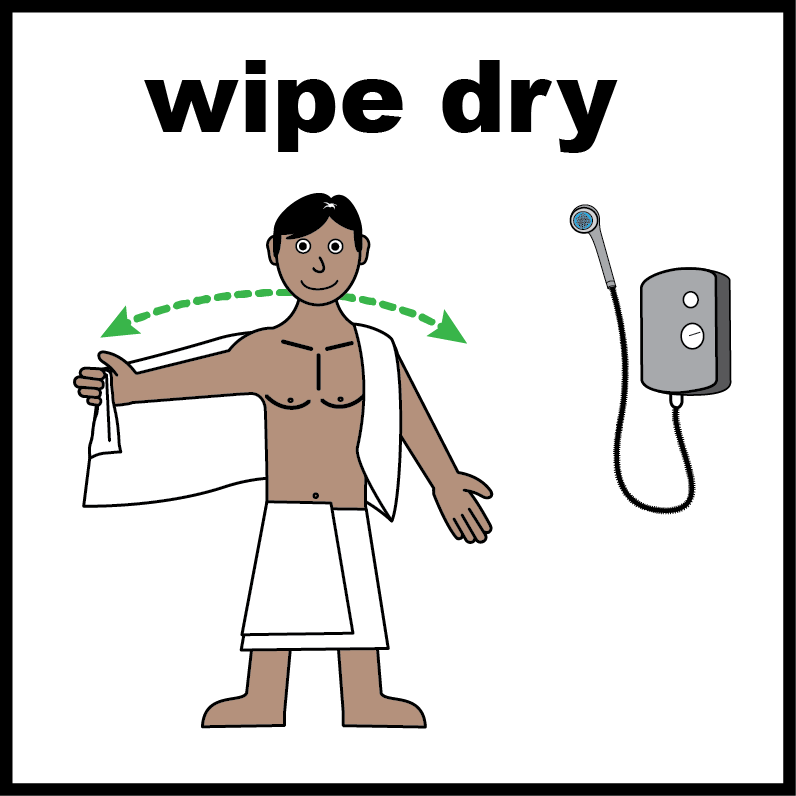
Keep your skin clean and dry.
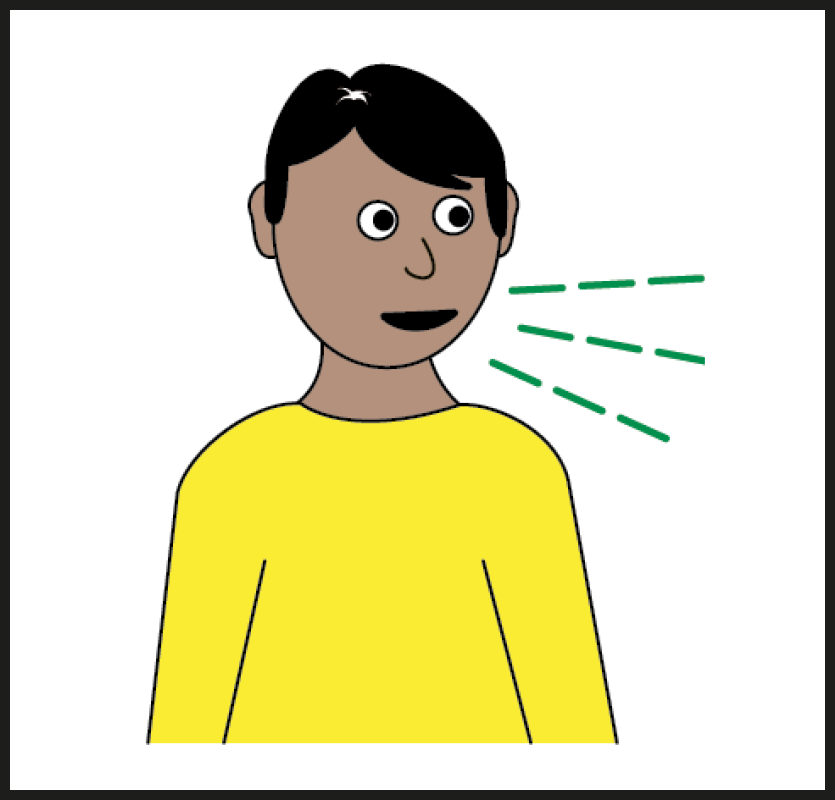
If you are worried talk to your nurse or doctor.
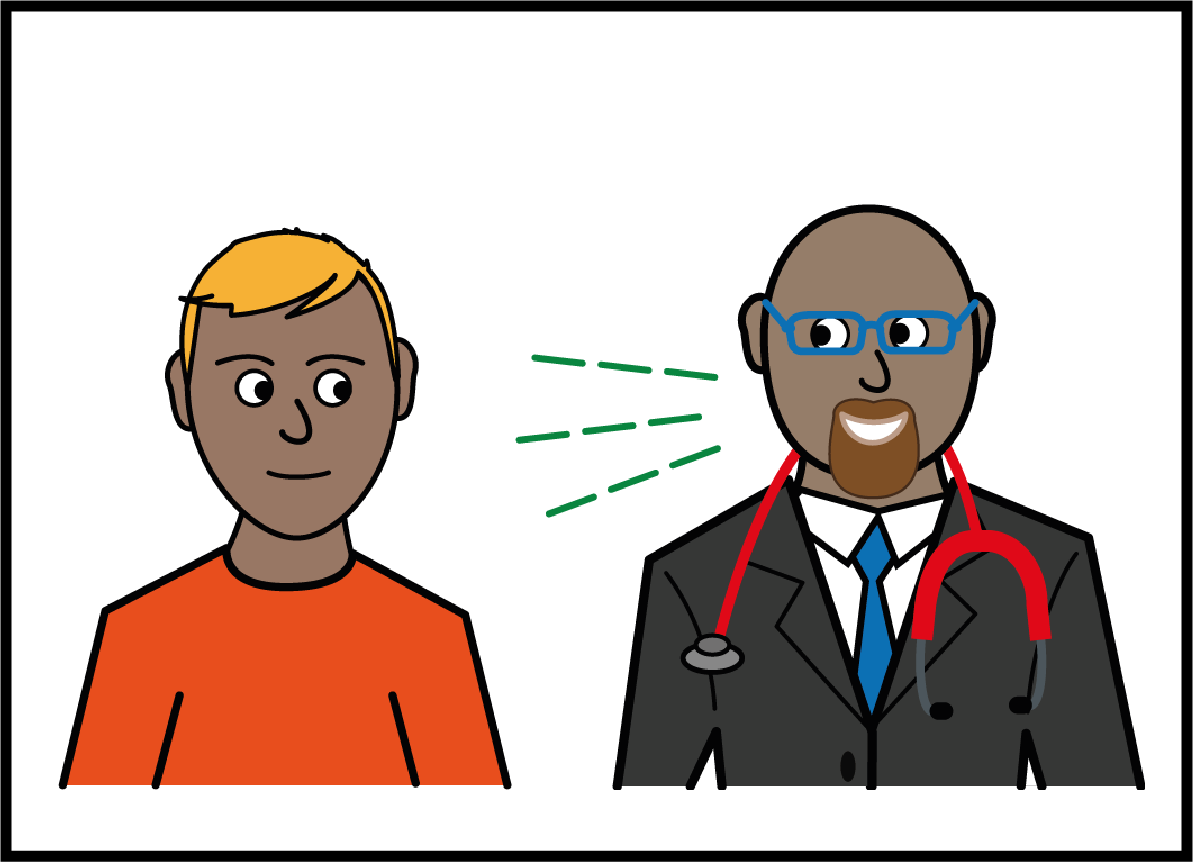
Your nurse or doctor will tell you if you need treatment.
Your nurse, family member or carer will:
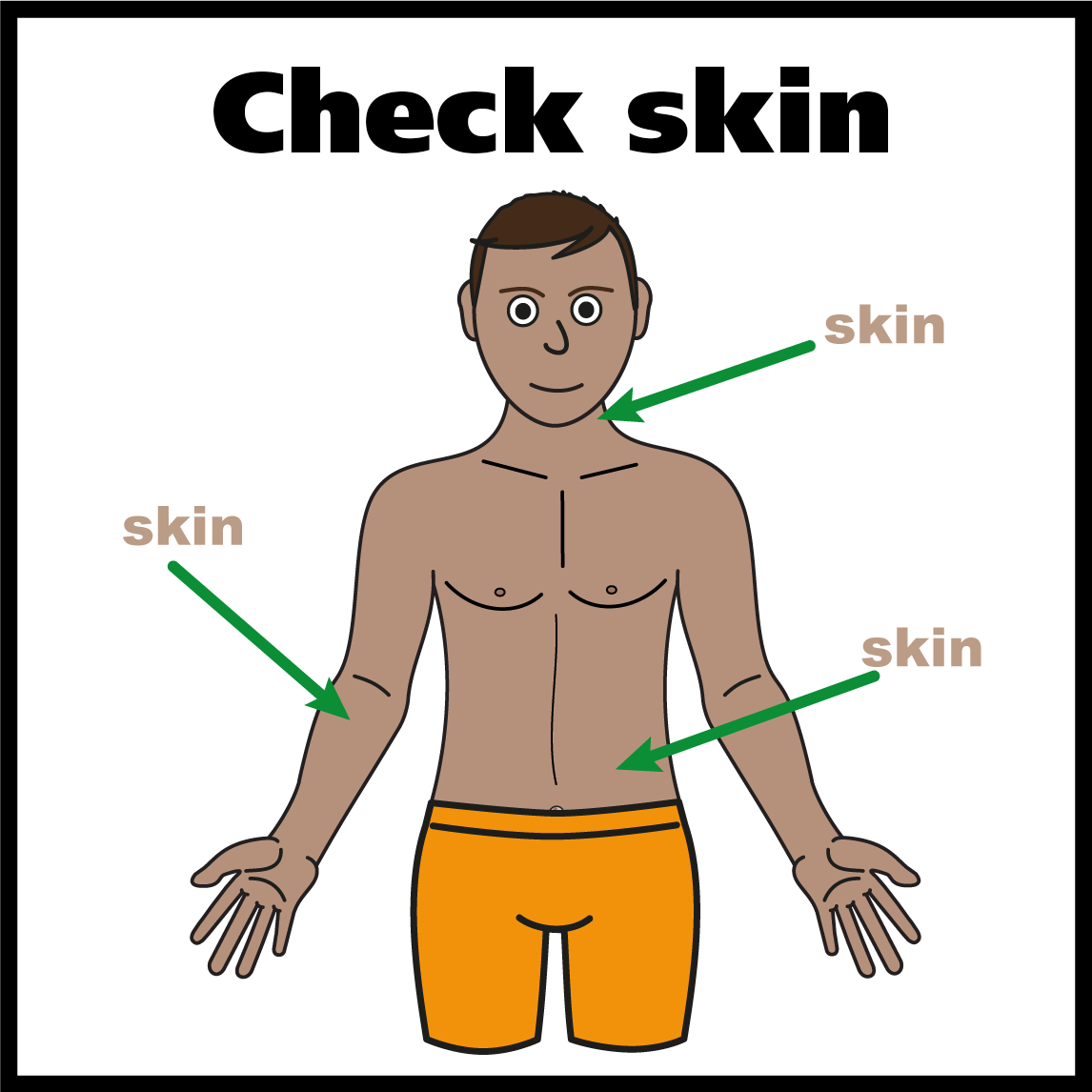
Check your skin regularly.
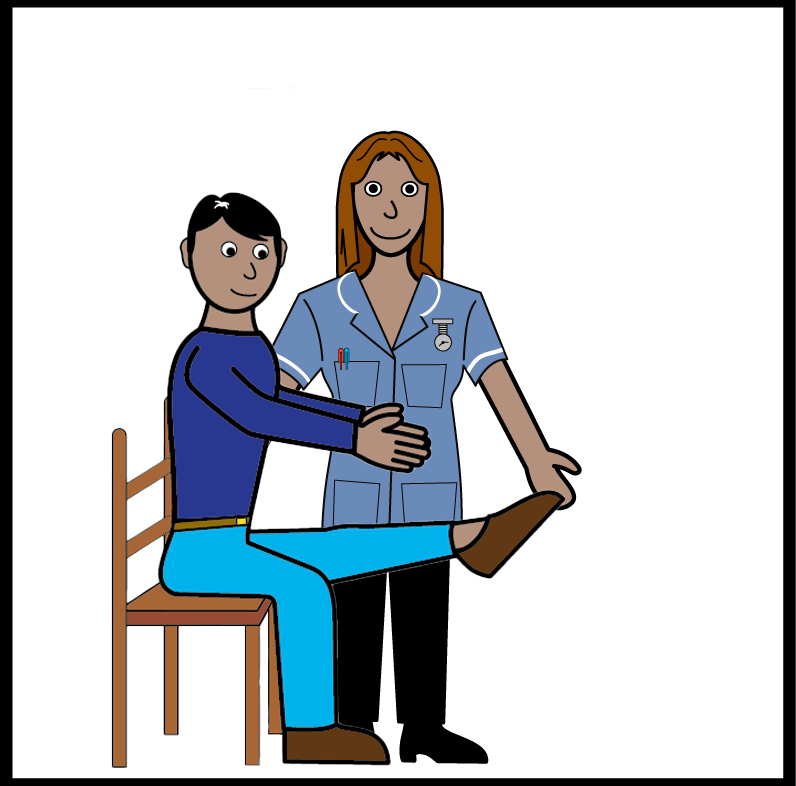
Help you move around if needed.

May give you special equipment such as an air mattress or a wheelchair cushion.

Some of the images in this information resource have been taken from the ‘easy on the i’ image bank. Copyright ©LYPFFT. The remaining images were created by Medical Illustration ©BTHFT.
People with hearing and speech difficulties
You can contact us using the Relay UK app. Textphone users will need to dial 18001 before the number to be contacted.
Accessible Information
If you need this information in another format or language, please ask a member of staff.
Smoking
Bradford Teaching Hospitals NHS Foundation Trust is a smoke-free organisation. You are not permitted to smoke or use e-cigarettes in any of the hospital buildings or grounds.
Wristbands
When you are in hospital it is essential to wear a wristband at all times to make sure you are safe during your stay. The wristband will show accurate details about you on it including all the information that staff need to identify you correctly and give you the right care.
If you do not have a wristband whilst in hospital, then please ask a member of staff for one. If it comes off or is uncomfortable, ask a member of staff to replace it.