
Dental pain
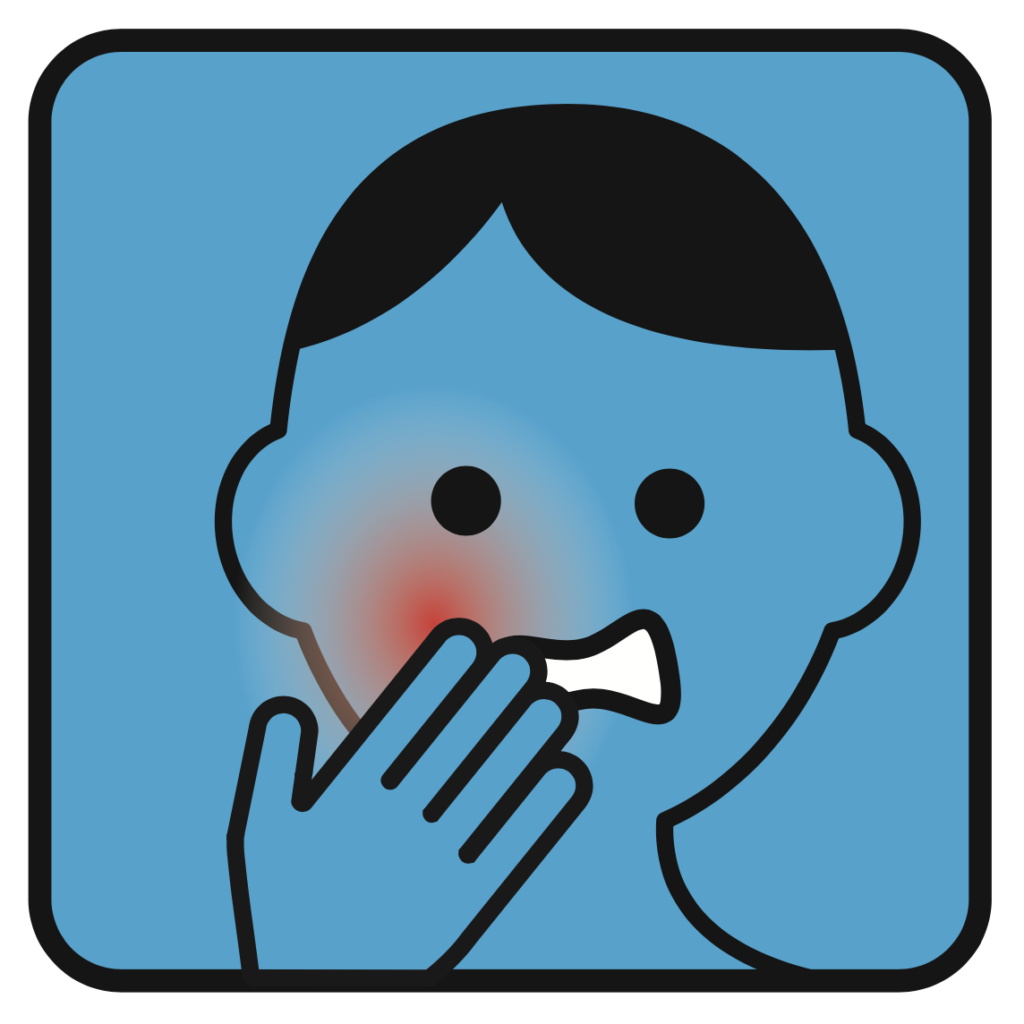
What is dental pain?
Dental pain is a painful sensation coming from the teeth or the tissues that surround them. It is caused by inflammation of the dental pulp which are the nerves and blood vessels inside your teeth. When the pulp becomes inflamed, this is called pulpitis.
Tooth decay is the most common cause of pulpitis. When we eat sugary food and drinks, the bacteria in our mouths consume the sugar and release acid. Over time the acid can make a hole in the enamel layer of our teeth. This allows the bacteria and their toxins to enter the softer layer of tooth and pass through it to irritate the pulp.
Other causes of toothache are:
- damage to your teeth from hard food
- injuries to your mouth
- poor gum condition
- sensitive teeth
What is the treatment for dental pain?
Your dentist is the best person to advise you about your toothache. They might suggest a filling, root canal treatment or taking the problem tooth out.
What can you do to prevent getting dental pain again?
The best ways to avoid toothache are:
- having regular dental checkups
- cleaning your teeth and mouth regularly and thoroughly
- reducing the number of sugary foods and drinks you normally have
For more detailed oral hygiene and diet advice, speak to a member of the dental team at your dental practice.
What happens if I do nothing?
If you do nothing then you will increase the likelihood of significant pulp damage. This is usually extremely painful. Eating will become much more uncomfortable as the inflammation spreads to affect the bone and ligament around the root tip. This can lead to severe, constant pain and sleepless nights. Without treatment a dental abscess may form in the bone around the root of the tooth.
Help with pain management
Simple painkillers can be used for dental pain, most of which can be bought over the counter in shops, supermarkets or pharmacy’s. Examples are:
- Paracetamol
- Ibuprofen
- Co-codamol – after speaking with a pharmacist
You may have been prescribed an alternative painkiller, please refer to specific advice for that tablet if this is the case.
Further advice
If you have any signs of dental abscess such as a swelling to one side of your face seek dental advice from your community dentist. If you are feeling unwell and feverish with this swelling you should go to your local Emergency Department.
If you have any ongoing concerns or queries about your dental pain you should contact NHS 111 or your local GP.
People with hearing and speech difficulties
You can contact us using the Relay UK app. Textphone users will need to dial 18001 before the number to be contacted.
Accessible Information
If you need this information in another format or language, please ask a member of staff.
Smoking
Bradford Teaching Hospitals NHS Foundation Trust is a smoke-free organisation. You are not permitted to smoke or use e-cigarettes in any of the hospital buildings or grounds.