
Infective endocarditis

You have received treatment in your mouth today that may make you more at risk of developing infective endocarditis (IE) in the days and weeks after your treatment.
This leaflet will provide you with information about what IE is and why it is important for you to be aware of any signs or symptoms you develop.
What is Infective Endocarditis?
It is an infection of the inner lining of the heart chambers that often involves the heart valves. It is usually caused by bacteria or fungi entering the bloodstream and attaching to damaged areas of the heart. It is a rare but serious condition.
Risk Factors
Certain factors can increase the risk of developing IE including:
- Heart conditions: Inherited heart defects, artificial heart valves or previous cases of endocarditis
- Medical procedures: Dental surgeries or procedures that can introduce bacteria into your bloodstream
- IV drug use: Using unclean needles increases the risk
- Weakened immune system: Conditions such as diabetes or treatments like chemotherapy
Symptoms to Watch Out For
The symptoms of IE can develop slowly or suddenly, depending on the cause. Common signs include:
- Fever and chills
- Tiredness
- Night sweats
- Shortness of breath
- Joint and muscle pain
- Unexplained weight loss
- Small red or purple spots on the skin, under fingernails, known as nail bed haemorrhages
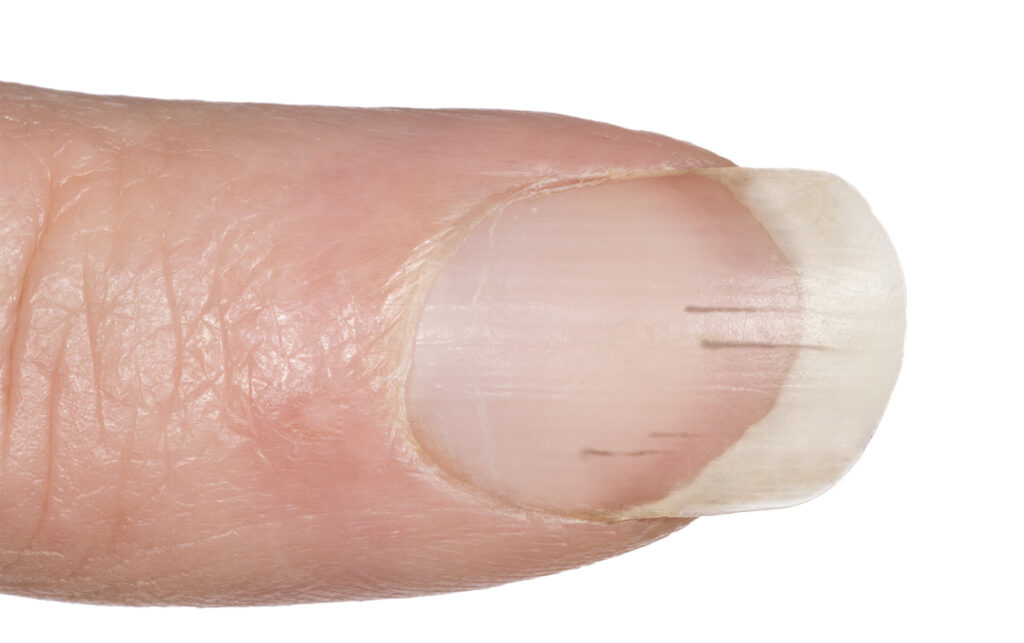
Nail bed haemorrhages
- Osler’s nodes – painful, tender, red-purple lumps typically found on the fingers or toes
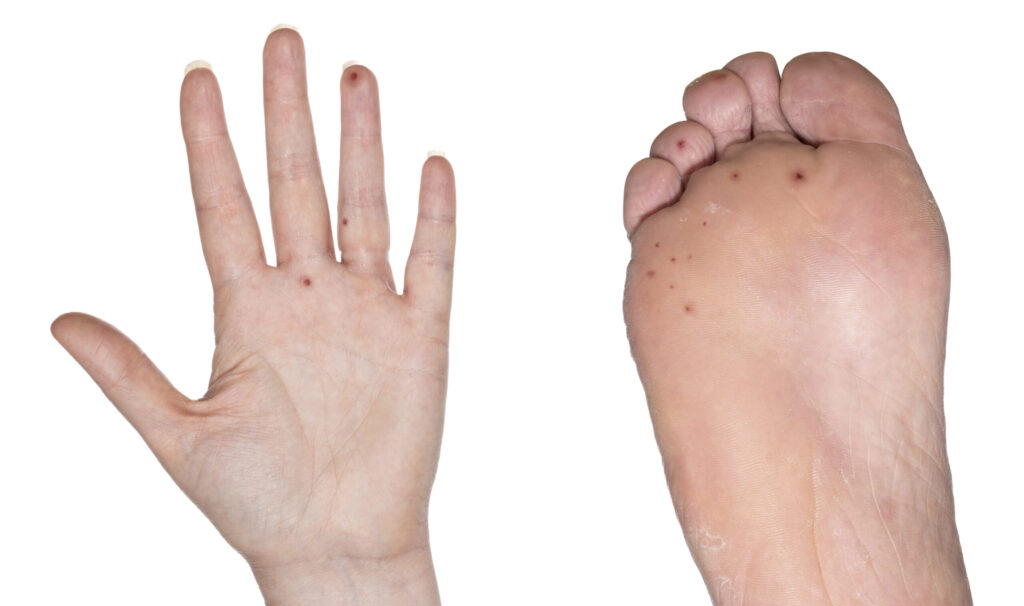
Osler’s nodes on hand and foot
- Janeway lesions – painless, red-purple lesions found on the palms of your hands and soles of your feet

Janeway lesions on hand
Other Medical Signs
- Anaemia which is a lack of iron in the blood
- Heart murmurs which is an extra sound that a doctor hears when listening to your heartbeat
If you have any of these symptoms, particularly if you have any of the risk factors for infective endocarditis, please seek medical attention immediately.
When to Seek Help
If you are concerned or experience symptoms of IE, contact your GP, cardiologist or go to your local Emergency Department (ED) for further assessment.
Remember: Early detection saves lives.
For More Information:
www.nhs.uk/conditions/endocarditis/
People with hearing and speech difficulties
You can contact us using the Relay UK app. Textphone users will need to dial 18001 before the number to be contacted.
Accessible Information
If you need this information in another format or language, please ask a member of staff.
Smoking
Bradford Teaching Hospitals NHS Foundation Trust is a smoke-free organisation. You are not permitted to smoke or use e-cigarettes in any of the hospital buildings or grounds.