
Kirschner wire (K wire) fixation for fractures in the hand
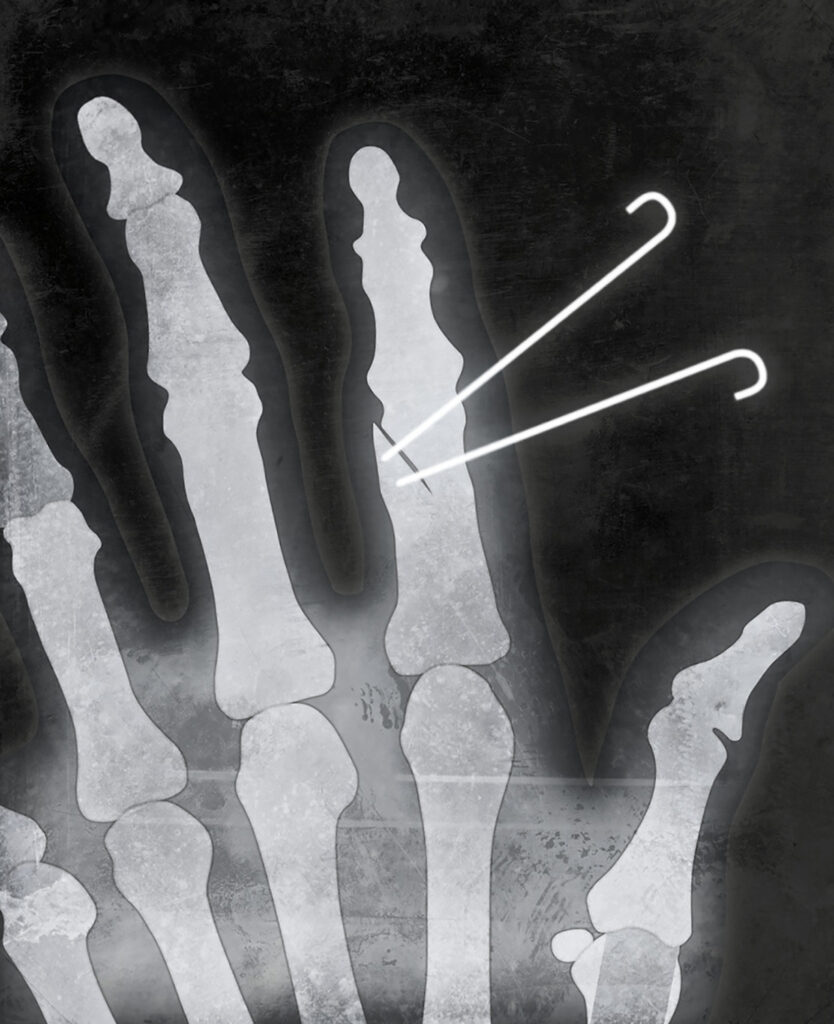
K wires are sterile, smooth stainless-steel pins that are used to repair fractured bones.
Phalanx fracture
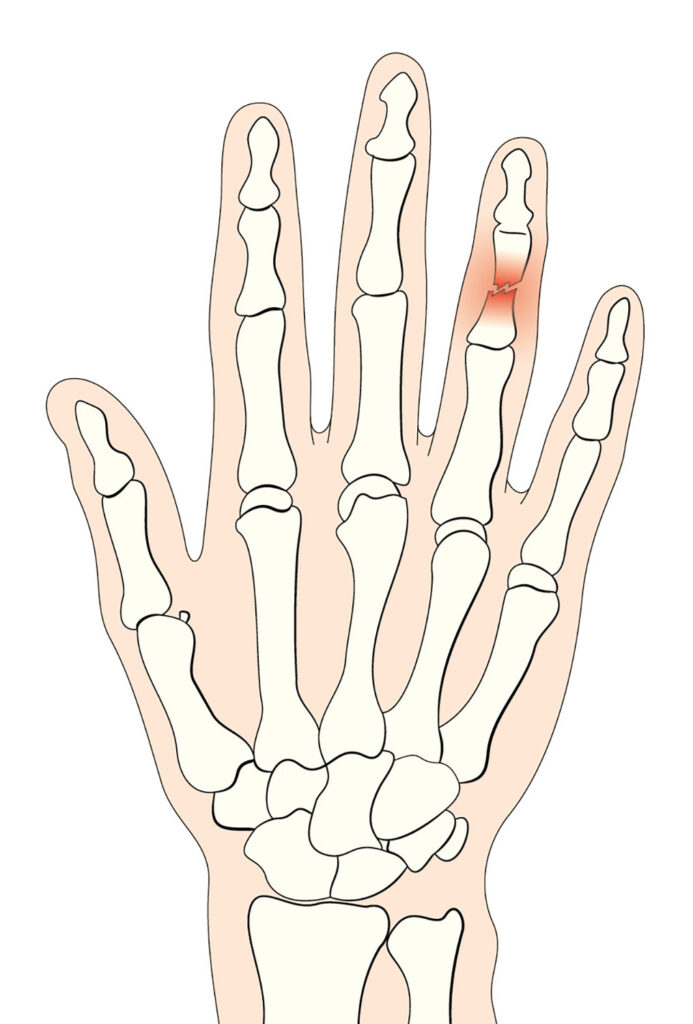
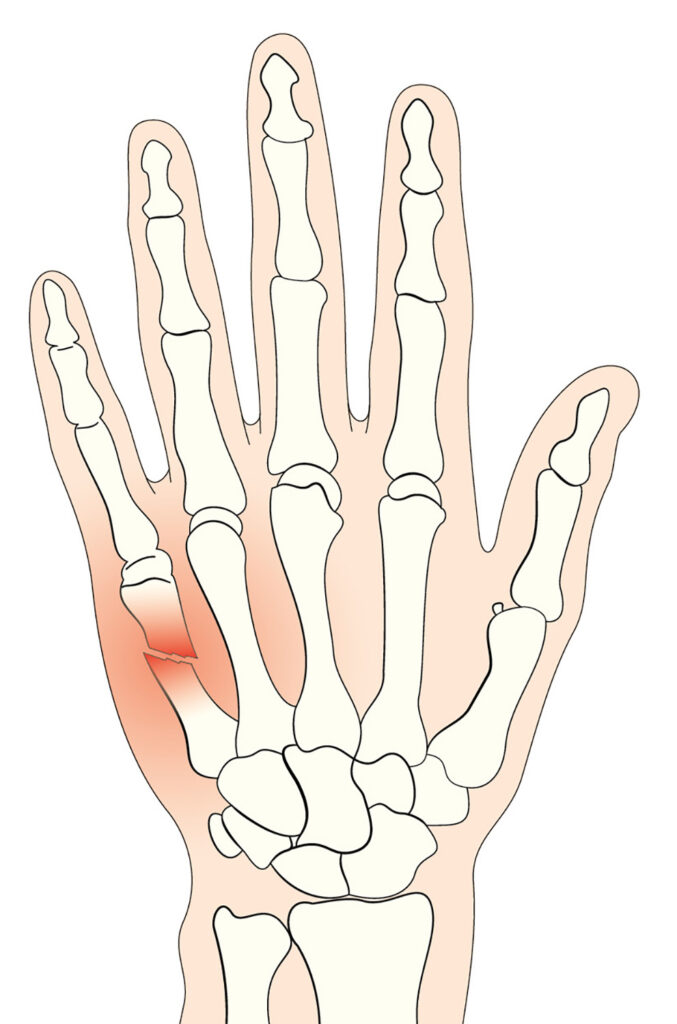
Metacarpal fracture
K wires
The K wire is inserted into the bone to hold the fracture in a good position while it heals.
After your surgery
The repairing phase can last up to five weeks, depending on your age, general health and if you smoke.
It is normal to have swelling, bruising and stiffness with a loss of movement of your fingers whilst the fracture is healing. This may make your hand feel achy and stiff.
The swelling and stiffness can be improved by making sure that your hand is not held below the level of your heart. When you are resting, put your arm on cushions with the hand above your elbow or on the back of a chair.
Keep moving the unaffected fingers to help reduce any stiffness. Your therapist will advise you about moving the affected finger.
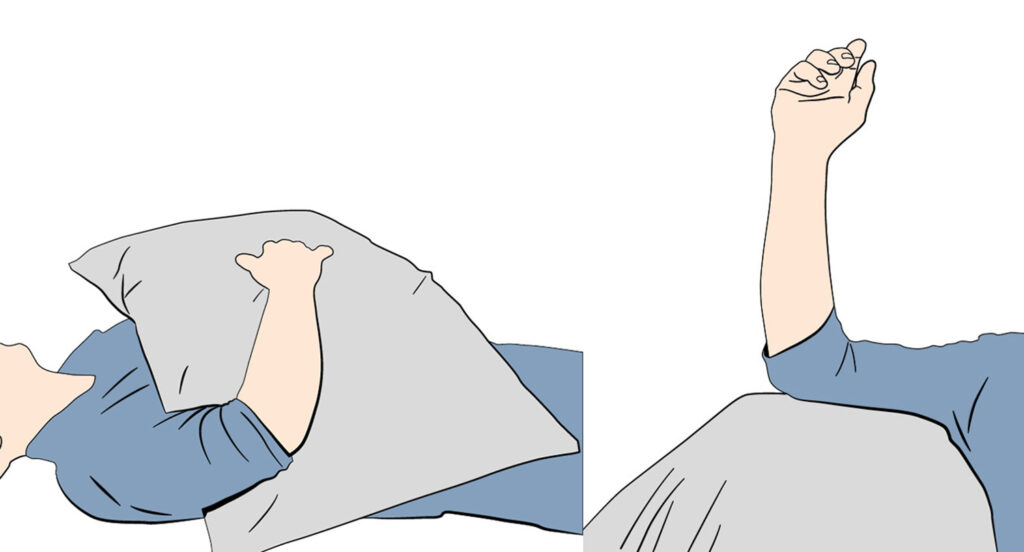
It is important to keep the K wire site and dressing dry and clean. This will stop the skin around the K wire from breaking down and reduce the risk of infection.
Contact the plastics trauma team if you suspect an infection. Or you have an increase in pain and swelling with redness, which can track from the hand to the forearm. Contact details can be found at the end of the leaflet.
Pain is a normal side effect of breaking a bone and can be helped by simple painkillers. The clinicians will advise you on what to take after your surgery.
Removal of the K wire
The K wire will be removed when the bone has healed sufficiently, around four weeks after being put in place. It may take longer to heal if you are a smoker.
This procedure should not feel too uncomfortable. Any discomfort from the removal of the wire should settle within a few hours. We recommend that you continue with simple pain relief if required.
After the removal of the K wire
- Do not get the area wet for 48 hours due to risk of infection
- The movement and strength of your hand should improve after the wire has been removed
- It will take 12 weeks for your finger to be fully healed and strong
- You need to do some exercises to help regain movement and reduce the swelling
Exercises
You should complete the following exercises without the wrist splint:
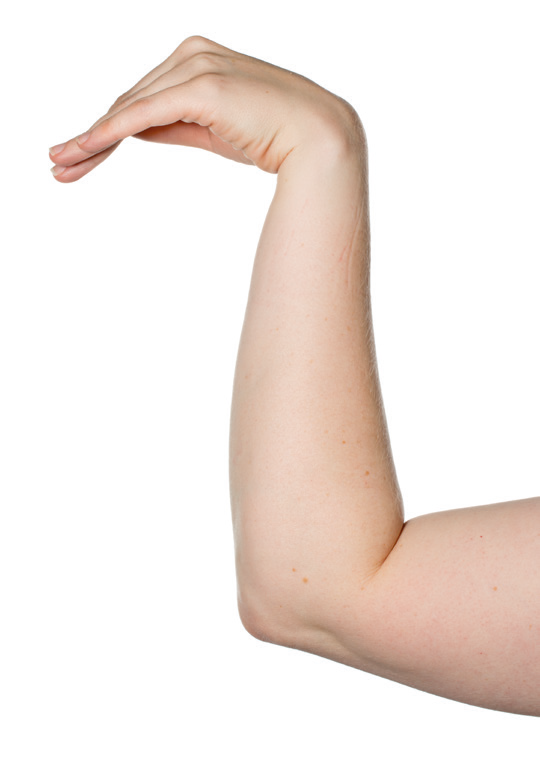
- Support your forearm on a table. Bend your wrist downwards relaxing your fingers.
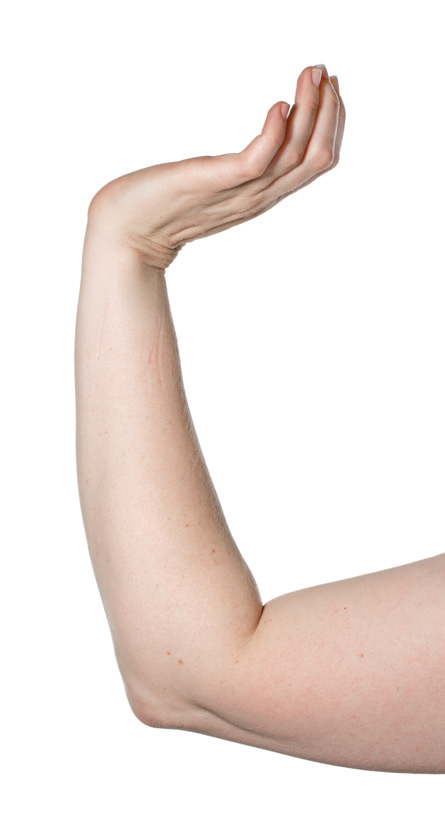
2. Support your forearm on a table. Bend your wrist upwards.
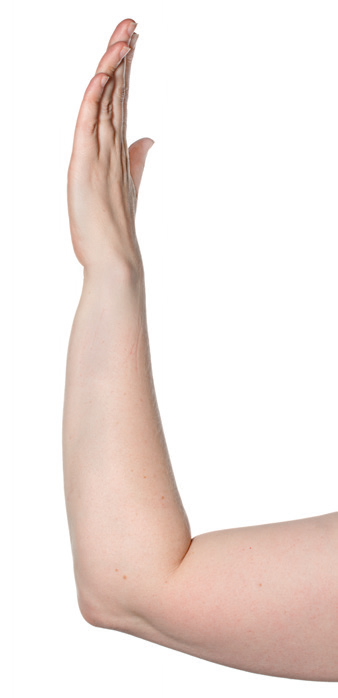
3. Rest your elbow on a table. Straighten your fingers.
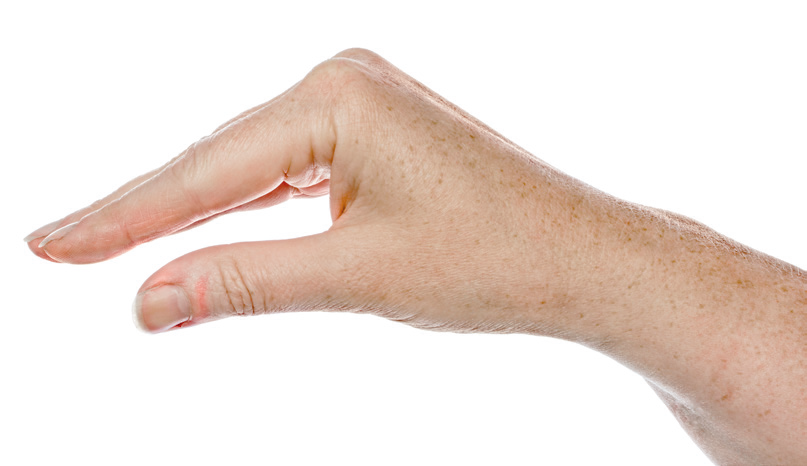
4. Rest your elbow on a table; bend your fingers at the knuckles whilst keeping your finger joints straight.
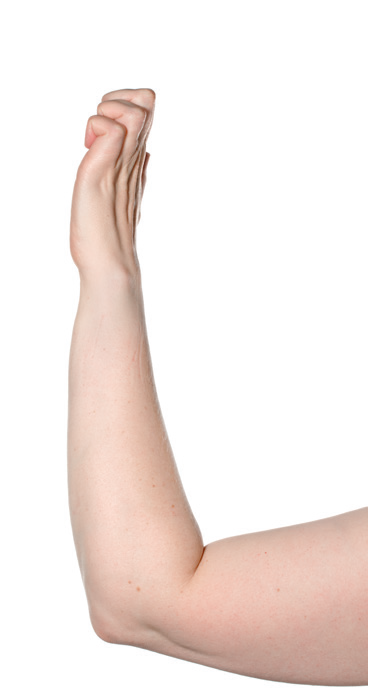
5. Rest your elbow on a table, curl and open your fingers without making a full fist.
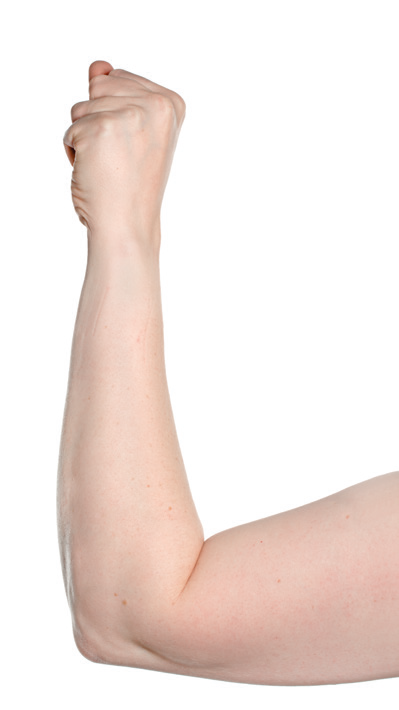
6. Rest your elbow on a table. Close your hand to make a full fist.
Complete ________ of repetitions of each exercise ________ times a day.
Contact Details
For further details and advice please contact the Plastics Trauma Clinic on 01274 364397 between the hours of 7.30am and 5.00pm available every day – including bank holidays.
People with hearing and speech difficulties
You can contact us using the Relay UK app. Textphone users will need to dial 18001 before the number to be contacted.
Accessible Information
If you need this information in another format or language, please ask a member of staff.
Smoking
Bradford Teaching Hospitals NHS Foundation Trust is a smoke-free organisation. You are not permitted to smoke or use e-cigarettes in any of the hospital buildings or grounds.